

Shure SM7B Dynamic Cardioid Studio Vocal Microphone


zZounds Gear Experts Say...
Capture pro-quality vocals with Shure's classic cardioid dynamic mic. A favorite microphone for broadcasters and rappers, the SM7B handles up to 180 dB SPL.
Overview
The SM7B dynamic microphone has a smooth, flat, wide-range frequency response appropriate for music and speech in all professional audio applications. It features excellent shielding against electromagnetic hum generated by computer monitors, neon lights, and other electrical devices.
The SM7B has been updated from earlier models with an improved bracket design that offers greater stability. In addition to its standard windscreen, it also includes the A7WS windscreen for close-talk applications.
- Bass rolloff and mid-range emphasis (presence boost) controls with graphic display of response setting
- Improved rejection of electromagnetic hum, optimized for shielding against broadband interference emitted by computer monitors
- Internal "air suspension" shock isolation virtually eliminates mechanical noise transmission
- Highly effective pop filter eliminates need for any add-on protection against explosive breath sounds, even for close-up vocals or narration
- Now shipping with the A7WS detachable windscreen, designed to reduce plosive sounds and gives a warmer tone for close-talk vocals
- Yoke mounting with captive stand nut for easy mounting and dismounting provides precise control of microphone position
- Classic cardioid polar pattern, uniform with frequency and symmetrical about axis, to provide maximum rejection and minimum coloration of off-axis… read more sound
- Rugged construction and excellent cartridge protection for outstanding reliability
read less
The SM7B has been updated from earlier models with an improved bracket design that offers greater stability. In addition to its standard windscreen, it also includes the A7WS windscreen for close-talk applications.
Features:
- Flat, wide-range frequency response for exceptionally clean and natural reproduction of both music and speech- Bass rolloff and mid-range emphasis (presence boost) controls with graphic display of response setting
- Improved rejection of electromagnetic hum, optimized for shielding against broadband interference emitted by computer monitors
- Internal "air suspension" shock isolation virtually eliminates mechanical noise transmission
- Highly effective pop filter eliminates need for any add-on protection against explosive breath sounds, even for close-up vocals or narration
- Now shipping with the A7WS detachable windscreen, designed to reduce plosive sounds and gives a warmer tone for close-talk vocals
- Yoke mounting with captive stand nut for easy mounting and dismounting provides precise control of microphone position
- Classic cardioid polar pattern, uniform with frequency and symmetrical about axis, to provide maximum rejection and minimum coloration of off-axis… read more sound
- Rugged construction and excellent cartridge protection for outstanding reliability
WARNING: Cancer and Reproductive Harm - www.p65Warnings.ca.gov.
Specs
- Replacement cartridge: RPM106
- Type: Dynamic
- Frequency Response: 50 to 20,000 Hz
- Polar Pattern: Cardioid (unidirectional)
- Output Level: Open Circuit Voltage*: -59.0 dB (1.12 mV) *0 dB = 1 volt per Pascal
- Type: Dynamic
- Frequency Response: 50 to 20,000 Hz
- Polar Pattern: Cardioid (unidirectional)
- Output Level: Open Circuit Voltage*: -59.0 dB (1.12 mV) *0 dB = 1 volt per Pascal
Dimensions and Weight in Packaging
Base Item
- Shipping Weight: 2.75 lbs
- Shipping Dimensions: 14 x 7 x 5 in
- Manufacturer Part Number (MPN): SM7B
Documents and Manuals
For support or warranty questions, please contact the manufacturer:
Phone: 800-516-2525
Email: service@shure.com
Phone: 800-516-2525
Email: service@shure.com
Shure's Description
Shure SM7B Dynamic Cardioid Microphone
The Shure SM7B dynamic microphone has a smooth, flat, wide-range frequency response appropriate for music and speech in all professional audio applications. It features excellent shielding against electromagnetic hum generated by computer monitors, neon lights, and other electrical devices.The SM7B has been updated from earlier models with an improved bracket design that offers greater stability. In addition to its standard windscreen, it also includes the A7WS windscreen for close-talk applications.
Features:
- Flat, wide-range frequency response for exceptionally clean and natural reproduction of both music and speech- Bass rolloff and mid-range emphasis (presence boost) controls with graphic display of response setting
- Improved rejection of electromagnetic hum, optimized for shielding against broadband interference emitted by computer monitors
- Internal "air suspension" shock isolation virtually eliminates mechanical noise transmission
- Highly effective pop filter eliminates need for any add-on protection against explosive breath sounds, even for close-up vocals or narration
- Now shipping with the A7WS detachable windscreen, designed to reduce plosive sounds and gives a warmer tone for close-talk vocals
- Yoke mounting with captive stand nut for easy mounting and dismounting provides precise control of microphone position
- Classic cardioid polar pattern, uniform with frequency and symmetrical about axis, to provide maximum rejection and minimum coloration of off-axis sound
- Rugged construction and excellent cartridge protection for outstanding reliability
Reviews
Reviewers gave this product an overall rating of 4.5 out of 5 stars.
(53 ratings)
Submitted December 9, 2010 by a customer from verizon.net
"Shure SM7B lives up to its reputation!"
Verified Purchaser
zZounds has verified that this reviewer purchased this specific product from us.
I'll be satisfied for good.
Sound
The sound quality of this product is exactly what you'd expect. Professional, clean and robust. So far I've just used it on Voice Over and it has performed well. I recorded a little bit of vocals through it and I can tell it will be excellent at this too. I'm pleased.
Features
An additional windscreen was included that lets you get right up on the mic.
Ease of Use
Meat and potatoes mic. I do wish the filters were a bit easier to adjust, but I understand why they are engineered as they are. It is to prevent someone from accidentally changing the filters/roll off.
Quality
Built like a tank. This mic is gonna last forever.
Value
I think the product is worth the typical $349 asking price, especially if you haven't already invested in a lot of other dynamic mics.
The Wow Factor
Sexy Baby!
Musical Background:
Recording Engineer & Professional Musician
Musical Style:
Rock
79 of 81 people (98%) people found this review helpful. Did you?
Thanks for your opinion!
New
$439.00
you're approved! No credit check!
- No interest and no late fees
- No paperwork
- No social security number required
- No questions about your income
Just provide your credit or debit card number in checkout as usual, and we’ll ship your order before the end of the business day.
- 8 payments of$54.88/mo
FREE
-Day
Shipping!
Get it
for
Get it
(or get it
with an order of
),
if you order within
Shipping to
This is a carousel with product cards. Use the previous and next buttons to navigate.
Related Accessories
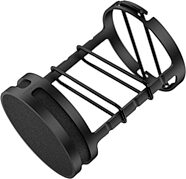
IsoVox IsoPop BroadCast Microphone Pop Filter
$109.00
- No Credit Check6 payments of$18.17/mo
Comes in 2 Colors-
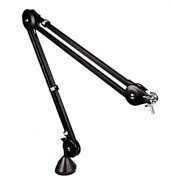
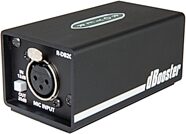
Royer Labs R-dB20 dBooster Class-A In-Line Microphone Signal Booster
$199.00
- No Credit Check6 payments of$33.17/mo
-
Shure by Gator SH-BROADCAST1 Podcast Boom Microphone Arm
$119.99
- No Credit Check6 payments of$20.00/mo
-
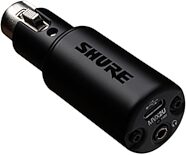
Shure MVX2U MOTIV XLR to USB Adapter Digital Audio Interface
$89.95
- No Credit Check4 payments of$22.49/mo
-
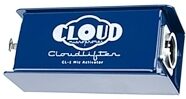
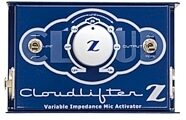
Cloud Microphones CL-Z Cloudlifter Variable Impedance Mic Activator
$249.00
- No Credit Check6 payments of$41.50/mo
-
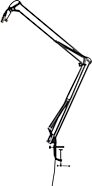
Gator GFWMICBCBM1000 Desk-Mounted Broadcast Microphone Boom Stand
$64.99
- No Credit Check4 payments of$16.25/mo
-
SKB 3i Waterproof Series Microphone Case
$99.99
- No Credit Check6 payments of$16.66/mo
Comes in 3 Sizes/Lengths, 3 Mfg Models-




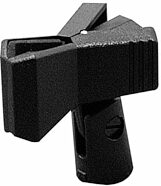
Cases and Bags
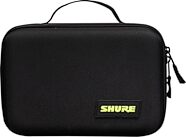
Shure by Gator Pro Lite Microphone Case for Shure SM7 Series Mics
$84.99
- No Credit Check4 payments of$21.25/mo
-

This is a carousel with product cards. Use the previous and next buttons to navigate.
Related Accessories
-
IsoVox IsoPop BroadCast Microphone Pop Filter
$109.00
- No Credit Check6 payments of$18.17/mo
Comes in 2 Colors -
-
-
Royer Labs R-dB20 dBooster Class-A In-Line Microphone Signal Booster
$199.00
- No Credit Check6 payments of$33.17/mo
-
-
Shure by Gator SH-BROADCAST1 Podcast Boom Microphone Arm
$119.99
- No Credit Check6 payments of$20.00/mo
-
-
Shure MVX2U MOTIV XLR to USB Adapter Digital Audio Interface
$89.95
- No Credit Check4 payments of$22.49/mo
-
-
-
Cloud Microphones CL-Z Cloudlifter Variable Impedance Mic Activator
$249.00
- No Credit Check6 payments of$41.50/mo
-
-
Gator GFWMICBCBM1000 Desk-Mounted Broadcast Microphone Boom Stand
$64.99
- No Credit Check4 payments of$16.25/mo
-
-
-
SKB 3i Waterproof Series Microphone Case
$99.99
- No Credit Check6 payments of$16.66/mo
Comes in 3 Sizes/Lengths, 3 Mfg Models -
-
-
Cases and Bags
-
Shure by Gator Pro Lite Microphone Case for Shure SM7 Series Mics
$84.99
- No Credit Check4 payments of$21.25/mo
-
This is a carousel with product cards. Use the previous and next buttons to navigate.
People who bought this item also bought
-
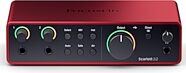

Yamaha HS5 Active Studio Monitor
$169.99
- No Credit Check6 payments of$28.33/mo
Comes in 2 Quantities, 2 Colors-
-
Shure by Gator SH-BROADCAST1 Podcast Boom Microphone Arm
$119.99
- No Credit Check6 payments of$20.00/mo
-

Rode RODECaster Pro II Audio Production Studio
$595.00
- 8 payments of$74.38/mo
- No Credit Check6 payments of$99.17/mo
Comes in 2 Colors-

Audio-Technica ATH-M50x Headphones
$159.00
- No Credit Check6 payments of$26.50/mo
Comes in 2 Colors, 2 Mfg Models-

Yamaha HS8 Active Studio Monitor
$339.14
- 8 payments of$42.39/mo
- No Credit Check6 payments of$56.52/mo
Comes in 2 Quantities, 3 Colors, 2 Editions-

Universal Audio Apollo Twin X Duo Gen 2 Thunderbolt Audio Interface, Analog Classics Edition
$999.00
- 12 payments of$83.25/mo
- No Credit Check6 payments of$166.50/mo
-

IsoVox 2 VocalStudio Mobile Vocal Isolation Booth
$1,249.00
- 12 payments of$104.08/mo
- No Credit Check6 payments of$208.17/mo
Comes in 2 Colors-
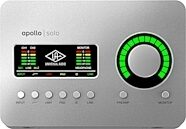
Universal Audio Apollo Solo Thunderbolt 3 Audio Interface
$699.00
- 12 payments of$58.25/mo
- No Credit Check6 payments of$116.50/mo
-
Items You Recently Viewed

Shure SM7B Dynamic Cardioid Studio Vocal Microphone
$439.00
- 8 payments of$54.88/mo
- No Credit Check6 payments of$73.17/mo
-