
Audio-Technica MT830cW Omnidirectional Condenser Lavalier (Microphone Only)
zZounds Gear Experts Say...
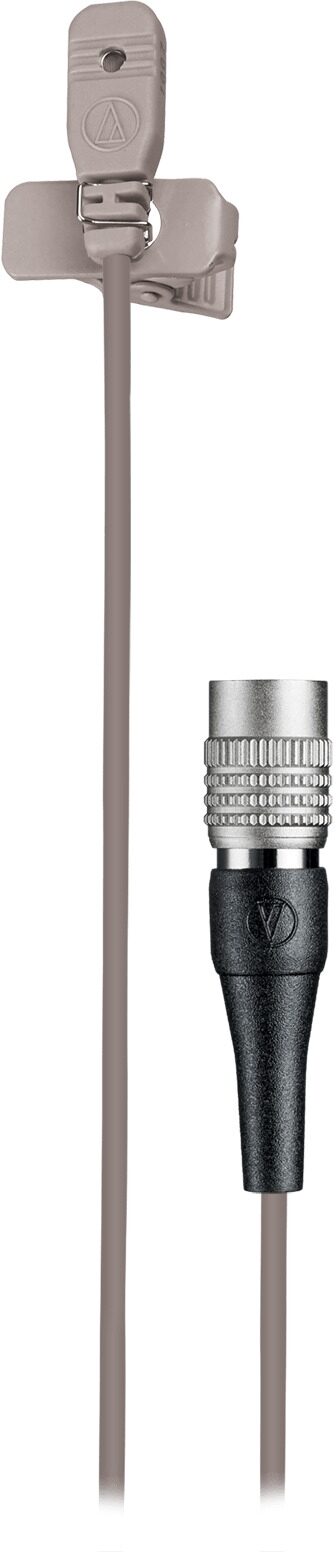
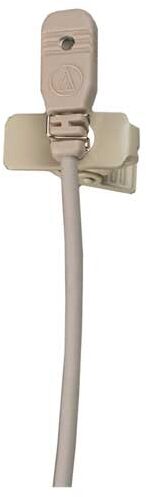
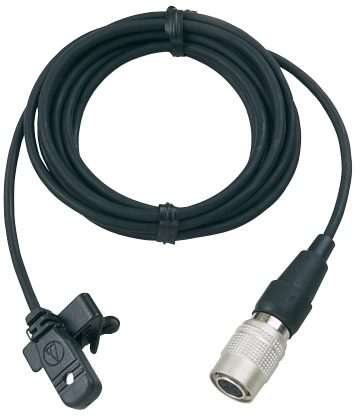
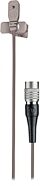
Outfitted with a cW-style locking connector, the discreet Audio-Technica MT830cW omnidirectional lav mic delivers clean and accurate sound reproduction.
Overview
The Audio-Technica MT830cW omnidirectional condenser lavalier microphone is terminated with a cW-style connector for use with UniPak wireless transmitters. It includes a clothing clip and windscreens, and a 55-inch (1.4 m) cable.
Designed to be worn as a lavalier or hidden in loose clothing or in the hair, the MT830cW provides high intelligibility for lecturers, stage/TV performers and singers. The mic's wide-range capability ensures clean, accurate reproduction.
- High intelligibility for lecturers, stage/TV performers, and singers
- Wide-range capability ensures clean, accurate reproduction
- 55 inch (1.4 m) cable
Audio-Technica microphones, for example, are found in daily use in major broadcast and recording studios, and relied upon by top touring musicians. A-T mics are chosen for important installations and major events, such as the… read more US House of Representatives, the US Senate, the Super Bowl, World Cup Soccer, and the Olympics. Whether in the home, or in schools and universities, boardrooms, council chambers, or places of worship, Audio-Technica products are providing superior performance and exceptional value worldwide.
read less
Designed to be worn as a lavalier or hidden in loose clothing or in the hair, the MT830cW provides high intelligibility for lecturers, stage/TV performers and singers. The mic's wide-range capability ensures clean, accurate reproduction.
Features:
- Small size provides excellent yet unobtrusive sound pickup- High intelligibility for lecturers, stage/TV performers, and singers
- Wide-range capability ensures clean, accurate reproduction
- 55 inch (1.4 m) cable
About Audio-Technica
Audio-Technica has been dedicated to advancing the art and technology of electro-acoustic design and manufacturing since 1962. From a beginning in state-of-the-art phono cartridges, A-T has expanded over the years into high-performance headphones, microphones, mixers, and electronic products for home and professional use. In each area the goal has been to create innovative, problem-solving products. The results of these engineering and production efforts can be seen in the effective use of A-T products in a broad spectrum of applications.Audio-Technica microphones, for example, are found in daily use in major broadcast and recording studios, and relied upon by top touring musicians. A-T mics are chosen for important installations and major events, such as the… read more US House of Representatives, the US Senate, the Super Bowl, World Cup Soccer, and the Olympics. Whether in the home, or in schools and universities, boardrooms, council chambers, or places of worship, Audio-Technica products are providing superior performance and exceptional value worldwide.
Specs
Element: Condenser
Signal to Noise Ratio: 70 dB, 1 kHz at 1 Pa
Polar Pattern: Omnidirectional
Dynamic Range (Typical): 107 dB, 1 kHz at Max. SPL
Frequency Response: 30 - 20,000 Hz
Phantom Power Requirements: 9 - 52V, 2 mA typical
Open Circuit Sensitivity: -34 dB (19.9 mV) re 1V at 1 Pa
Weight: 0.05 oz
Impedance: 200 ohms
Power Module: In-line
Maximum Input Sound Level: 131 dB SPL, 1 kHz at 1% T.H.D.
Output Connector: Terminated with locking 4-pin connector for A-T UniPak wireless systems
Accessories Furnished: AT8130 windscreens (3); AT8420 clothing clip;
Signal to Noise Ratio: 70 dB, 1 kHz at 1 Pa
Polar Pattern: Omnidirectional
Dynamic Range (Typical): 107 dB, 1 kHz at Max. SPL
Frequency Response: 30 - 20,000 Hz
Phantom Power Requirements: 9 - 52V, 2 mA typical
Open Circuit Sensitivity: -34 dB (19.9 mV) re 1V at 1 Pa
Weight: 0.05 oz
Impedance: 200 ohms
Power Module: In-line
Maximum Input Sound Level: 131 dB SPL, 1 kHz at 1% T.H.D.
Output Connector: Terminated with locking 4-pin connector for A-T UniPak wireless systems
Accessories Furnished: AT8130 windscreens (3); AT8420 clothing clip;
Dimensions and Weight in Packaging
Beige
- Shipping Weight: 0.13 lbs
- Shipping Dimensions: 7 x 4 x 2 in
- Manufacturer Part Number (MPN): MT830cW-TH
Black
- Shipping Weight: 0.14 lbs
- Shipping Dimensions: 7 x 4 x 2 in
- Manufacturer Part Number (MPN): MT830CW
Documents and Manuals
For support or warranty questions, please contact the manufacturer:
Phone: 330-686-2600 x5000
Email: audio-solutions@atus.com
Phone: 330-686-2600 x5000
Email: audio-solutions@atus.com
Reviews
Reviewers gave this product an overall rating of 5 out of 5 stars.
(23 ratings)
Submitted May 22, 2011 by a customer from camphorizon.org
"Practical lapel microphone."
Verified Purchaser
zZounds has verified that this reviewer purchased this specific product from us.
Very satisfied
Sound
It is really as good as I had expected. I wanted to try an omni-directional mike and this one fits my system. I had hoped that it's pickup range would be a little greater.
Features
It has less fabric noise (coat rub) than the other style microphone. This is due to the flat back design.
Ease of Use
As good as it gets with this style microphone.
Quality
Seems so to me.
Value
The cost / benefit ratio was as expected.
Manufacturer Support
Not applicable
The Wow Factor
It is just a plain black lapel mike. Not very sexy.
Musical Background:
Summer Camp Director
Musical Style:
Christian (all genre)
3 of 3 people (100%) people found this review helpful. Did you?
Thanks for your opinion!
Beige
$109.00
you're approved! No credit check!
- No interest and no late fees
- No paperwork
- No social security number required
- No questions about your income
Just provide your credit or debit card number in checkout as usual, and we’ll ship your order before the end of the business day.
FREE
-Day
Shipping!
Get it
for
Get it
(or get it
with an order of
),
if you order within
Shipping to
This is a carousel with product cards. Use the previous and next buttons to navigate.
Related Accessories



This is a carousel with product cards. Use the previous and next buttons to navigate.
Related Accessories
This is a carousel with product cards. Use the previous and next buttons to navigate.
People who bought this item also bought
Shure QLXD4 Half-Rack Single-Channel Digital Wireless Receiver
$747.00
- 12 payments of$62.25/mo
- No Credit Check6 payments of$124.50/mo
Comes in 4 Frequencies-
Sennheiser EW-DX SK / SKM-S Wireless Microphone Base Set
$2,149.00
- 12 payments of$179.08/mo
Comes in 2 Frequencies-
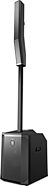
Electro-Voice EVOLVE 50 Powered Column PA System
$1,899.00
- 12 payments of$158.25/mo
Comes in 2 Colors-
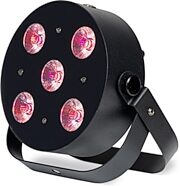
ColorKey MobilePar HEX 5 Light
$189.99
- No Credit Check6 payments of$31.66/mo
Comes in 2 Quantities, 2 Case/Bag Options-
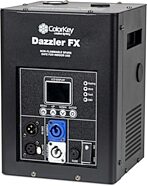
ColorKey Dazzler FX MKII Cold Spark Machine
$599.99
- 12 payments of$50.00/mo
- No Credit Check6 payments of$100.00/mo
Comes in 2 Colors, 2 Quantities, 2 Case/Bag Options-
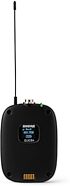
Shure SLXD1+ Digital Bodypack Wireless Transmitter
$299.00
- 8 payments of$37.38/mo
- No Credit Check6 payments of$49.83/mo
-

Shure QLXD2/K8 Handheld Wireless Transmitter with KSM8 Microphone Capsule
$813.00
- 12 payments of$67.75/mo
- No Credit Check6 payments of$135.50/mo
Comes in 4 Frequencies-
Items You Recently Viewed
Audio-Technica MT830cW Omnidirectional Condenser Lavalier (Microphone Only)
$109.00
- No Credit Check6 payments of$18.17/mo
Comes in 2 Colors-