
Neumann TLM127 Studio Condenser Microphone with Shockmount
No longer available at zZounds


zZounds Gear Experts Say...
Exceptionally clean, transparent sound transmission. New double membrane capsule, based on K 103.
Overview
The TLM 127 is a large-diaphragm studio microphone with omnidirectional and cardioid directional characteristics. In addition, via a special power supply it is possible to use remote control to switch between the 5 directional characteristics: omnidirectional, wide-angle cardioid, cardioid, hypercardioid and figure-8.
Features:
Especially low self-noise combined with an impressive dynamic range
Modern transformerless circuit technology
Exceptionally clean, transparent sound transmission
New double membrane capsule, based on K 103
Switchable to omni and cardioid + remotely controllable polar pattern (wide angle cardioid, hypercardioid, figure-8)
Switchable preattenuation, switchable low-cut filter
Extremely low noise: 8 dB(A)
High SPL capability: 140 dB
The TLM 127 is addressed from the side. On the front of the microphone is the switch for selecting the directional characteristic. There are 3 settings: omnidirectional, cardioid, and remote control ("R").
On the back of the microphone is a 14dB attenuation switch, as well as a high-pass filter switch with 2 settings: -3 dB cut-off frequency at 15 Hz ("LIN"), and 100 Hz.
Applications
The comprehensive control features, which permit optimal adjustment to particular requirements, make the TLM 127 well-suited to a wide range of applications. It is an extremely flexible tool, appropriate for advanced operators of home recording studios as well as for experienced audio professionals who place the highest demands… read more on the sound and technical capabilities of a microphone.
Acoustic Features
When the cardioid setting is used the capsule has a flat frequency response up to 3 kHz and an increased presence of 3 dB at higher frequencies.
The wire mesh headgrille houses the large-diaphragm K 127 capsule. This capsule is derived from the K 103 (of the TLM 103), which accounts for its outstanding impulse response. The TLM 127 is thus capable of reproducing all transient phenomena of music and speech without any coloration.
The sound character of the microphone is determined exclusively by the capsule; no electronic equalization is used.
Polar Patterns
Via a special power supply, the five directional characteristics omnidirectional, cardioid, figure-8, hypercardioid and wide-angle cardioid can be selected by remote control. The directional characteristic switch on the front of the microphone must be set to "R" (remote control).
The hypercardioid directional characteristic is superior to the cardioid in suppressing sounds to the left and right of the source, while the wide-angle cardioid is especially suitable for recording large sound sources.
Electrical features
The TLM 127 is a fet 100 series studio microphone. The letters TLM stand for "Transformerless Microphone".
By means of modern circuit technology, the self-noise level of the TLM 127 has been reduced significantly relative to that of comparable conventional microphones. The TLM 127 transmits a sound pressure level of 140 dB without distortion, and provides a dynamic range of 132 dB with no switchover (in accordance with DIN/IEC 651).
Filter and Preattenuation
Two switches are located on the back of the TLM 127 microphone. The left switch reduces the sensitivity of the microphone by 14 dB, and should be used only when there is a risk that very high sound pressure levels could overload following devices. The switch does not expand the dynamic range of the microphone, but rather shifts it upward by 14 dB to higher sound pressure levels.
The slide switch on the right sets the cut-off frequency of a high-pass filter built into the microphone. When the "LIN" setting is used, a high-pass filter suppresses frequencies below 15 Hz by 12 dB/octave.
Alternatively, the cut-off frequency can be set to 100 Hz. This setting may be used, for example, to suppress the proximity effect.
Remote Control
In principle, any P48 power supply is suitable for powering the TLM 127. When a standard P48 power supply is used, the switch on the microphone can be used to select the omnidirectional or cardioid directional characteristic.
Using the special power supply unit N 248 that will be available from Neumann at the beginning of 2004 the directional characteristics of the TLM 127 can be controlled remotely and the additional directional characteristics (wide angle cardioid, hypercardioid and figure 8) can be used.
The absolute level of the phantom voltage indicates to the microphone which directional characteristic is to be used. As in conventional operation, cable lengths of up to 300 m are permissible.
Since the voltage variation is within the normed tolerance range of phantom powering, the N 248 can also be used with any conventional microphone designed for P48 operation.
Mixed operation is also possible. Thus a TLM 127 can be controlled remotely at one output of the N 248, while a conventional microphone is powered by the second output.
Operational Safety
The entire internal assembly is elastically mounted to reduce interference from structure-borne noise. In addition, the capsule is set on an elastic mount.
The frequency range of the TLM 127 extends well below 20 Hz. Thus even extremely low-frequency signals can be reproduced without coloration.
This naturally also makes the microphone more sensitive to low-frequency interference signals, such as structure-borne and wind noise. To counteract this, the EA 1 elastic suspension (included) and the WS 87 windscreen may be used. For close vocal use, the PS 15 pop screen is recommended.
Delivery Range
The microphone and elastic suspension are supplied as a complete set, in an attractive wooden box. The TLM 127 is also available as a stereo set, in a sturdy, high-quality aluminum case. read less
Features:
Especially low self-noise combined with an impressive dynamic range
Modern transformerless circuit technology
Exceptionally clean, transparent sound transmission
New double membrane capsule, based on K 103
Switchable to omni and cardioid + remotely controllable polar pattern (wide angle cardioid, hypercardioid, figure-8)
Switchable preattenuation, switchable low-cut filter
Extremely low noise: 8 dB(A)
High SPL capability: 140 dB
The TLM 127 is addressed from the side. On the front of the microphone is the switch for selecting the directional characteristic. There are 3 settings: omnidirectional, cardioid, and remote control ("R").
On the back of the microphone is a 14dB attenuation switch, as well as a high-pass filter switch with 2 settings: -3 dB cut-off frequency at 15 Hz ("LIN"), and 100 Hz.
Applications
The comprehensive control features, which permit optimal adjustment to particular requirements, make the TLM 127 well-suited to a wide range of applications. It is an extremely flexible tool, appropriate for advanced operators of home recording studios as well as for experienced audio professionals who place the highest demands… read more on the sound and technical capabilities of a microphone.
Acoustic Features
When the cardioid setting is used the capsule has a flat frequency response up to 3 kHz and an increased presence of 3 dB at higher frequencies.
The wire mesh headgrille houses the large-diaphragm K 127 capsule. This capsule is derived from the K 103 (of the TLM 103), which accounts for its outstanding impulse response. The TLM 127 is thus capable of reproducing all transient phenomena of music and speech without any coloration.
The sound character of the microphone is determined exclusively by the capsule; no electronic equalization is used.
Polar Patterns
Via a special power supply, the five directional characteristics omnidirectional, cardioid, figure-8, hypercardioid and wide-angle cardioid can be selected by remote control. The directional characteristic switch on the front of the microphone must be set to "R" (remote control).
The hypercardioid directional characteristic is superior to the cardioid in suppressing sounds to the left and right of the source, while the wide-angle cardioid is especially suitable for recording large sound sources.
Electrical features
The TLM 127 is a fet 100 series studio microphone. The letters TLM stand for "Transformerless Microphone".
By means of modern circuit technology, the self-noise level of the TLM 127 has been reduced significantly relative to that of comparable conventional microphones. The TLM 127 transmits a sound pressure level of 140 dB without distortion, and provides a dynamic range of 132 dB with no switchover (in accordance with DIN/IEC 651).
Filter and Preattenuation
Two switches are located on the back of the TLM 127 microphone. The left switch reduces the sensitivity of the microphone by 14 dB, and should be used only when there is a risk that very high sound pressure levels could overload following devices. The switch does not expand the dynamic range of the microphone, but rather shifts it upward by 14 dB to higher sound pressure levels.
The slide switch on the right sets the cut-off frequency of a high-pass filter built into the microphone. When the "LIN" setting is used, a high-pass filter suppresses frequencies below 15 Hz by 12 dB/octave.
Alternatively, the cut-off frequency can be set to 100 Hz. This setting may be used, for example, to suppress the proximity effect.
Remote Control
In principle, any P48 power supply is suitable for powering the TLM 127. When a standard P48 power supply is used, the switch on the microphone can be used to select the omnidirectional or cardioid directional characteristic.
Using the special power supply unit N 248 that will be available from Neumann at the beginning of 2004 the directional characteristics of the TLM 127 can be controlled remotely and the additional directional characteristics (wide angle cardioid, hypercardioid and figure 8) can be used.
The absolute level of the phantom voltage indicates to the microphone which directional characteristic is to be used. As in conventional operation, cable lengths of up to 300 m are permissible.
Since the voltage variation is within the normed tolerance range of phantom powering, the N 248 can also be used with any conventional microphone designed for P48 operation.
Mixed operation is also possible. Thus a TLM 127 can be controlled remotely at one output of the N 248, while a conventional microphone is powered by the second output.
Operational Safety
The entire internal assembly is elastically mounted to reduce interference from structure-borne noise. In addition, the capsule is set on an elastic mount.
The frequency range of the TLM 127 extends well below 20 Hz. Thus even extremely low-frequency signals can be reproduced without coloration.
This naturally also makes the microphone more sensitive to low-frequency interference signals, such as structure-borne and wind noise. To counteract this, the EA 1 elastic suspension (included) and the WS 87 windscreen may be used. For close vocal use, the PS 15 pop screen is recommended.
Delivery Range
The microphone and elastic suspension are supplied as a complete set, in an attractive wooden box. The TLM 127 is also available as a stereo set, in a sturdy, high-quality aluminum case. read less
Specs
Acoustical operating principle: Pressure gradient transducer
Directional pattern: Omnidirectional, cardioid, (wide angle cardioid, hypercardioid and figure-8 also available, via remote control)
Frequency range: 20 Hz...20 kHz
Sensitivity at 1 kHz into 1 kohm: 12 mV/Pa
Rated impedance: 50 ohms
Rated load impedance: 1000 ohms
Equivalent SPL CCIR 468-3: 20 dB
Equivalent SPL DIN/IEC 651: 8 dB-A
S/N ratio CCIR 468-3: 74 dB
S/N ratio DIN/IEC 651: 86 dB
Maximum SPL for THD 0.5%: 140 dB
Maximum SPL for THD 0.5% with preattenuation: 154 dB
Maximum output voltage: 10 dBu
Dynamic range of the microphone amplifier DIN/IEC 651: 132 dB
Supply voltage: 48 V ± 4 V
Current consumption: 3.2 mA
Matching connectors: XLR 3F
Weight: approx. 450 g
Diameter: 57 mm
Length: 173 mm
Directional pattern: Omnidirectional, cardioid, (wide angle cardioid, hypercardioid and figure-8 also available, via remote control)
Frequency range: 20 Hz...20 kHz
Sensitivity at 1 kHz into 1 kohm: 12 mV/Pa
Rated impedance: 50 ohms
Rated load impedance: 1000 ohms
Equivalent SPL CCIR 468-3: 20 dB
Equivalent SPL DIN/IEC 651: 8 dB-A
S/N ratio CCIR 468-3: 74 dB
S/N ratio DIN/IEC 651: 86 dB
Maximum SPL for THD 0.5%: 140 dB
Maximum SPL for THD 0.5% with preattenuation: 154 dB
Maximum output voltage: 10 dBu
Dynamic range of the microphone amplifier DIN/IEC 651: 132 dB
Supply voltage: 48 V ± 4 V
Current consumption: 3.2 mA
Matching connectors: XLR 3F
Weight: approx. 450 g
Diameter: 57 mm
Length: 173 mm
Documents and Manuals
For support or warranty questions, please contact the manufacturer:
Phone: 860-598-7555
Web: https://www.neumann.com/en-en/contact/
Phone: 860-598-7555
Web: https://www.neumann.com/en-en/contact/
No longer available at zZounds
In most cases, a product is unavailable because it has been discontinued by the manufacturer

This is a carousel with product cards. Use the previous and next buttons to navigate.
People who bought this item also bought

Universal Audio Apollo Twin X Duo Gen 2 Thunderbolt Audio Interface, Analog Classics Edition
$999.00
- 12 payments of$83.25/mo
- No Credit Check6 payments of$166.50/mo
-
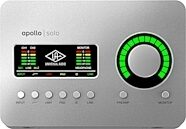
Universal Audio Apollo Solo Thunderbolt 3 Audio Interface
$699.00
- 12 payments of$58.25/mo
- No Credit Check6 payments of$116.50/mo
-

Yamaha HS5 Active Studio Monitor
$169.99
- No Credit Check6 payments of$28.33/mo
Comes in 2 Quantities, 2 Colors-

Audio-Technica ATH-M50x Headphones
$159.00
- No Credit Check6 payments of$26.50/mo
Comes in 2 Colors-

Yamaha HS8 Active Studio Monitor
$339.14
- 8 payments of$42.39/mo
- No Credit Check6 payments of$56.52/mo
Comes in 2 Quantities, 3 Colors, 2 Editions-