
Customer Kudos
"zZounds is flexible and have great shipping and support on hand."
May 15, 2026
Explore Music History: Gear of Indie Rock
Indie rock's roots reach back to punk's do-it-yourself (DIY) spirit and its effort to preserve artistic integrity. It's why many early indie bands shunned mainstream labels in favor of smaller labels, even if that meant handling booking, touring and recording on their own. This creative freedom caused an explosion of sub-genres and sounds that all fit under one tent: indie rock.
This sonic diversity required a broad array of gear, and the modest means of most indie artists led them to purchase abandoned old gear at pawn shops for bargain-basement prices. Ironically, those instruments are now considered iconic and demand top dollar. Luckily for those who weren't around to snatch up cheap old guitars in the '80s and early '90s, many manufacturers have reissued their older designs -- without the vintage price tag. So pick up a new version of an old guitar, get creative, and discover your own alternative sound.
Explore more music styles with zZounds' gear guides »
This sonic diversity required a broad array of gear, and the modest means of most indie artists led them to purchase abandoned old gear at pawn shops for bargain-basement prices. Ironically, those instruments are now considered iconic and demand top dollar. Luckily for those who weren't around to snatch up cheap old guitars in the '80s and early '90s, many manufacturers have reissued their older designs -- without the vintage price tag. So pick up a new version of an old guitar, get creative, and discover your own alternative sound.
Guitars and Basses
Arguably the main instrument of indie rock, the electric guitar plays countless roles in the genre. From post-rock guitarists who create huge sonic landscapes with the help of more than a few effects pedals, to garage rockers who plug guitars directly into overdriven amps for no-nonsense sounds, developing your own style and tone is more important than sticking to a particular blueprint. Choose something with single-coil pickups to get a buzzy midrange and sparkling top, or reach for a guitar with humbuckers for a darker and higher-output tone.
Bassists are the basis of any rhythm section, and great basses can be found in the hands of players across all sub-genres of indie rock. Perennial favorites like the Fender Precision Bass and Rickenbacker's 4003 bass are perfect for poppy dance lines as well as heavier, droning parts. These classic 4-strings are made to sound great no matter what kind of music you're playing.
Bassists are the basis of any rhythm section, and great basses can be found in the hands of players across all sub-genres of indie rock. Perennial favorites like the Fender Precision Bass and Rickenbacker's 4003 bass are perfect for poppy dance lines as well as heavier, droning parts. These classic 4-strings are made to sound great no matter what kind of music you're playing.
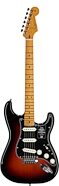
Fender American Professional Classic Stratocaster Electric Guitar, Maple Fingerboard (with Gig Bag)
$1,499.99
- 18 payments of$83.33/mo
Comes in 3 Colors
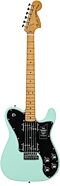
Fender Vintera II '70s Telecaster Deluxe Electric Guitar (with Gig Bag)
$819.95
- 3 payments of
Comes in 2 Colors
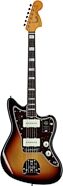
Fender American Vintage II 1966 Jazzmaster Electric Guitar, Rosewood Fingerboard (with Case)
$2,799.99
- 18 payments of$155.55/mo
Comes in 3 Colors
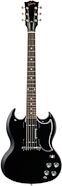
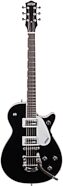
Gretsch G5230T Electromatic Jet FT Electric Guitar
$699.99
- 12 payments of$58.33/mo
- No Credit Check6 payments of$116.66/mo
Comes in 4 Colors
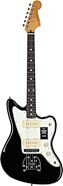
Fender Player II Jazzmaster Electric Guitar, with Rosewood Fingerboard
$879.99
- 12 payments of$73.33/mo
- No Credit Check6 payments of$146.66/mo
Comes in 5 Colors

Ernie Ball Music Man StingRay Special HH Electric Bass (with Case)
$2,549.00
- 18 payments of$141.61/mo
Comes in 20 Colors, 4 Fretboard Materials
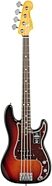
Fender American Pro II Precision Electric Bass, Rosewood Fingerboard (with Case)
$1,889.99
- 18 payments of$105.00/mo
Comes in 5 Colors
Amplifiers
Indie rock is a near-impossible genre to define, but the use of tube amps tends to be a common denominator among most bands. Noise rockers and other innovators of the loud-quiet-loud dynamic, who laid the foundation for '90s alternative rock, preferred half and full stacks for their extreme volume and ability to feed back easily -- preferences that continue to this day. However, touring forces bands to make use of every inch in their van or trailer, and for the cramped band, small 1x12" or 2x12" tube combos are the perfect marriage of amazing tone and portability.
Just like guitarists, bassists have a penchant for choosing tube amps. Known for their warm and punchy tones, bass tube amps also overdrive quite nicely when cranked up, complementing the guitars for a solid overall mix.
Just like guitarists, bassists have a penchant for choosing tube amps. Known for their warm and punchy tones, bass tube amps also overdrive quite nicely when cranked up, complementing the guitars for a solid overall mix.

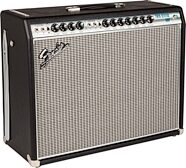
Fender Hot Rod DeVille 212 IV Guitar Combo Amplifier (2x12 Inch, 60 Watts)
$1,259.99
- 18 payments of$70.00/mo
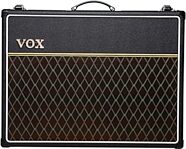
Vox AC30 Custom Guitar Combo Amplifier (30 Watts, 2x12")
$1,599.99
- 12 payments of$133.33/mo
Comes in 2 Mfg Models, 2 Styles
Orange OR15H Guitar Amplifier Head (15 Watts)
$799.00
- 12 payments of$66.58/mo
- No Credit Check6 payments of$133.17/mo
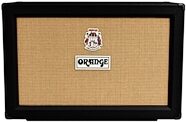
Orange PPC212 Guitar Speaker Cabinet (120 Watts, 2x12")
$1,099.00
- 12 payments of$91.58/mo
- No Credit Check6 payments of$183.17/mo
Comes in 2 Colors

Ampeg Heritage 50th Anniversary SVT Bass Amplifier Head (300 Watts)
$3,499.99
- Interest-Free Payment Plans
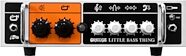
Orange Little Bass Thing Bass Amplifier Head (500 Watts)
$799.00
- 12 payments of$66.58/mo
- No Credit Check6 payments of$133.17/mo
Effects Pedals
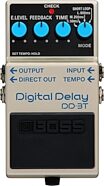
Effects pedals have long been stomped-on staples for indie guitarists and bassists. A favorite of indie rockers, fuzz pedals can add just a touch of hairiness or high-gain insanity to your signal. Many artists use delays to pick out rhythmic arpeggios or to make chords ease into each other, while modulation effects like flangers and phasers can add an otherworldly sense of movement to guitar signals. Stock up on a ton of pedals to conjure up the lush soundscapes of shoegaze, or keep them to a minimum for a more straight-ahead rock tone.
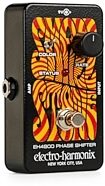
Electro-Harmonix Nano Small Stone Phase Shifter Pedal
$83.50
- No Credit Check4 payments of$20.88/mo
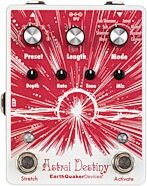
EarthQuaker Devices Astral Destiny Multi-Reverb Pedal
$249.00
- No Credit Check6 payments of$41.50/mo
Synthesizers and Drum Machines
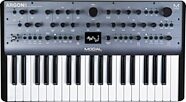
Many artists have turned to synthesizers and drum machines to further their sonic expressions. Older analog synths are preferred for their warm and fat tone, as well as for the vintage vibe they evoke. Though associated with indie bands of the '80s, synthesizers are as popular as ever among dance punk and indie pop bands, among other sub-genres. To get that perfect dance vibe, drum machines are also employed live and while recording for their unique sounds and rhythmic perfection. Since most traditional rock bands use live drummers, firing up a drum machine is a chance to set yourself apart from the crowd.
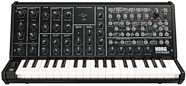
Korg MS-20 Mini Analog Monophonic Synthesizer Keyboard, 37-Key
$899.99
- 12 payments of$75.00/mo
- No Credit Check6 payments of$150.00/mo
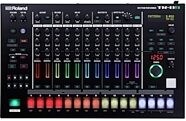
Roland TR-8S Rhythm Performer Drum Machine
$899.99
- 12 payments of$75.00/mo
- No Credit Check6 payments of$150.00/mo
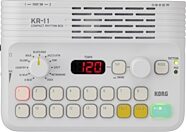
Recording Gear
The inevitable next step after getting a band together is to record. No exception to the DIY ethos, recording yourself has become easier than ever thanks to digital technology. Instead of laying songs down on a 4-track cassette tape recorder, you can now record directly onto your computer via a recording interface to easily edit and mix in the box. You can also record by way of digital multitrack standalone recorders that include many of the same features found in their cassette-loaded ancestors, plus updated ones like onboard metronomes and digital bouncing options to make the process much easier.
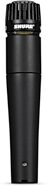
Shure SM57 Cardioid Dynamic Microphone
$109.00
- No Credit Check6 payments of$18.17/mo
Comes in 4 Mfg Models
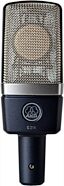
AKG C214 Large-Diaphragm Condenser Microphone
$469.00
- 8 payments of$58.63/mo
- No Credit Check6 payments of$78.17/mo
Comes in 2 Quantities
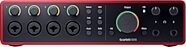
Focusrite Scarlett 18i16 Gen 4 USB Audio Interface
$569.99
- 8 payments of$71.25/mo
- No Credit Check6 payments of$95.00/mo
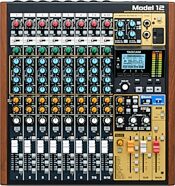
TASCAM Model 12 Mixer, USB Audio Interface and Multitrack Recorder
$599.00
- 12 payments of$49.92/mo
- No Credit Check6 payments of$99.83/mo