
TASCAM DR2d Portable Digital Recorder
No longer available at zZounds
zZounds Gear Experts Say...
Record easily on the go, save your WAV or MP3 files to SD cards, then transfer them to your computer with this digital recorder.
Overview
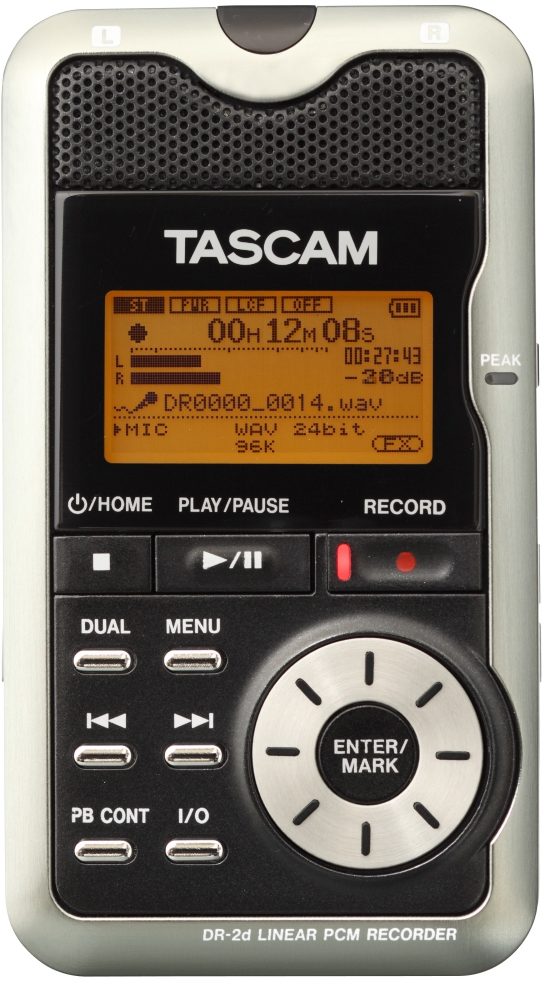
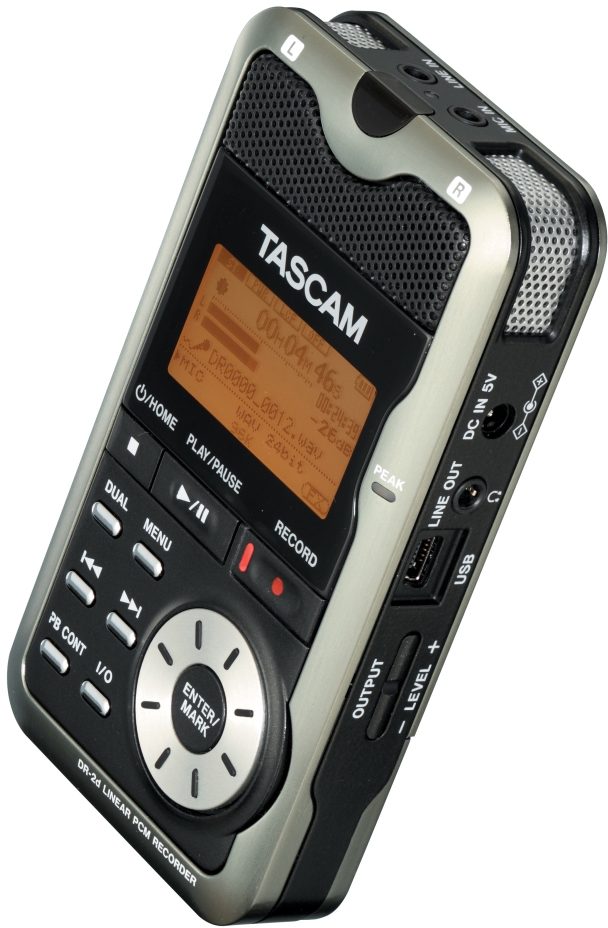
TASCAM's DR-2d Portable Digital Recorder brings high-resolution recording to a compact, affordable package. It offers up to 96kHz/24-bit WAV or MP3 recording to SD cards, and recordings can be transferred to computer through high-speed USB 2.0. A new dual recording feature records a copy of your audio at a lower level, so if the level suddenly jumps you have a backup instead of a distorted performance.
Record using the new built-in condenser microphones or plug in your own. You can slow down recordings without changing the pitch, and there's even a metronome and built-in speaker. The DR-2d provides hours of recording time using a pair of AA batteries. making it the perfect partner for songwriting, live performance, rehearsal or home studio recording.
- Dual recording function records a copy of your audio at a lower level, so you always have a backup in case of overload
- Up to 96kHz/24-bit WAV recording or MP3 recording modes
- Records to SD or SDHC cards
- Internal effects including reverb
- Auto-recording function starts when input exceeds a reference level
- Limiter, low cut filter and auto gain control for input
- Metronome
- Variable Speed Audition changes the playback speed without changing the pitch
- Loop playback mode
- USB 2.0 connection for file transfer
- 1/8" stereo microphone input
- 1/8" stereo line input
- 1/8" stereo headphone output
- 128x64 backlit LCD display
- Powered… read more by two AA batteries or optional PS-P520 power adapter
- Built-in speaker
- Tripod attachment screw hole
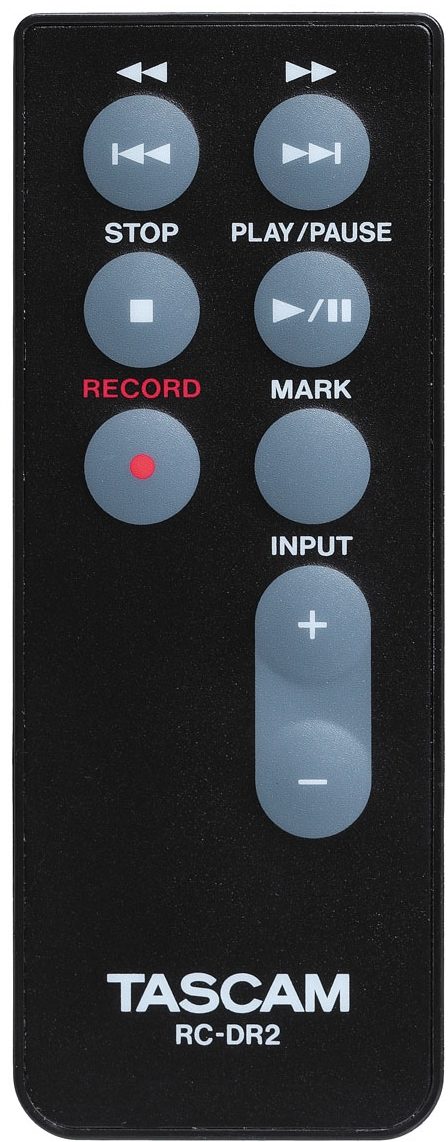
- Includes wireless remote control, 2GB SD card, AA batteries and carrying pouch read less
Record using the new built-in condenser microphones or plug in your own. You can slow down recordings without changing the pitch, and there's even a metronome and built-in speaker. The DR-2d provides hours of recording time using a pair of AA batteries. making it the perfect partner for songwriting, live performance, rehearsal or home studio recording.
Features
- New stereo condenser microphone design with improved signal to noise ratio- Dual recording function records a copy of your audio at a lower level, so you always have a backup in case of overload
- Up to 96kHz/24-bit WAV recording or MP3 recording modes
- Records to SD or SDHC cards
- Internal effects including reverb
- Auto-recording function starts when input exceeds a reference level
- Limiter, low cut filter and auto gain control for input
- Metronome
- Variable Speed Audition changes the playback speed without changing the pitch
- Loop playback mode
- USB 2.0 connection for file transfer
- 1/8" stereo microphone input
- 1/8" stereo line input
- 1/8" stereo headphone output
- 128x64 backlit LCD display
- Powered… read more by two AA batteries or optional PS-P520 power adapter
- Built-in speaker
- Tripod attachment screw hole
- Includes wireless remote control, 2GB SD card, AA batteries and carrying pouch read less
Documents and Manuals
For support or warranty questions, please contact the manufacturer:
Phone: 323-726-0303
Web: https://tascam.com/us/support/contact
Phone: 323-726-0303
Web: https://tascam.com/us/support/contact
No longer available at zZounds
In most cases, a product is unavailable because it has been discontinued by the manufacturer

This is a carousel with product cards. Use the previous and next buttons to navigate.
People who bought this item also bought

Zoom LiveTrak L-20 Digital Mixer and Multi-Track Recorder, 20-Channel
$999.99
- 12 payments of$83.33/mo
- No Credit Check6 payments of$166.66/mo
-
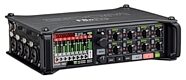
Zoom F8n Pro 8-Channel Field Recorder
$699.99
- 12 payments of$58.33/mo
- No Credit Check6 payments of$116.66/mo
-

Zoom Q8n-4K Handy Video and 4-Track Audio Recorder
$399.99
- 8 payments of$50.00/mo
- No Credit Check6 payments of$66.66/mo
-
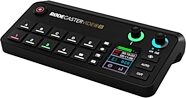
Rode RODECaster Video S All-In-One Production Console for Audio and Video
$799.00
- 12 payments of$66.58/mo
- No Credit Check6 payments of$133.17/mo
-
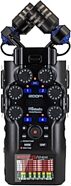
Zoom H6studio Handy Digital Recorder
$399.99
- 8 payments of$50.00/mo
- No Credit Check6 payments of$66.66/mo
-
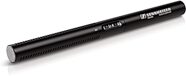
Sennheiser MKE 600 Shotgun Condenser Microphone
$349.00
- 8 payments of$43.63/mo
- No Credit Check6 payments of$58.17/mo
-
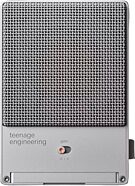
Teenage Engineering CM-15 Condenser Microphone
$1,199.00
- 12 payments of$99.92/mo
- No Credit Check6 payments of$199.83/mo
-
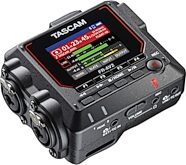
TASCAM FR-AV2 32-Bit Float Digital Recorder
$399.00
- 8 payments of$49.88/mo
- No Credit Check6 payments of$66.50/mo
-

QSC K12.2 Powered Loudspeaker (2000 Watts, 1x12")
$899.99
- 12 payments of$75.00/mo
- No Credit Check6 payments of$150.00/mo
-