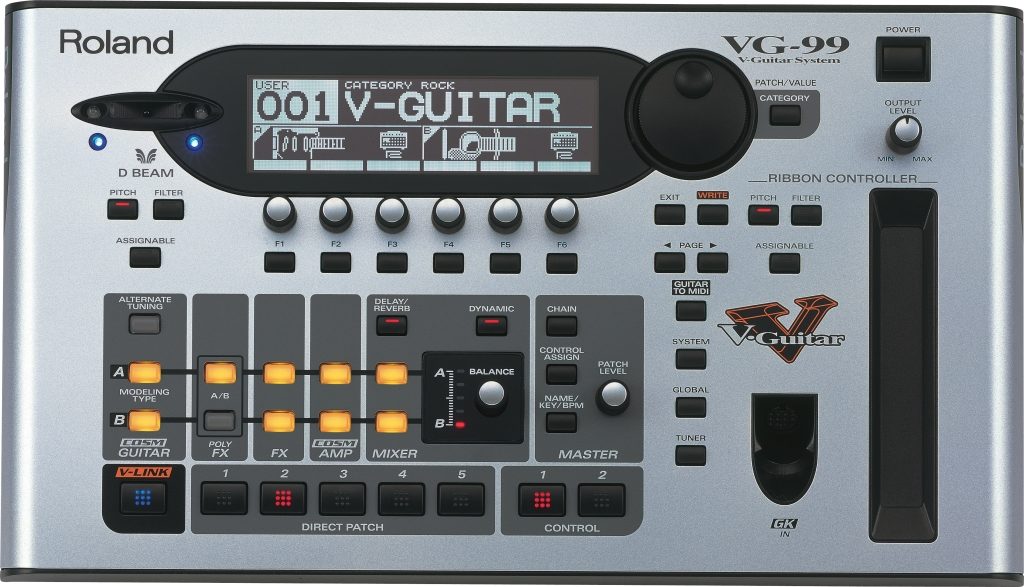
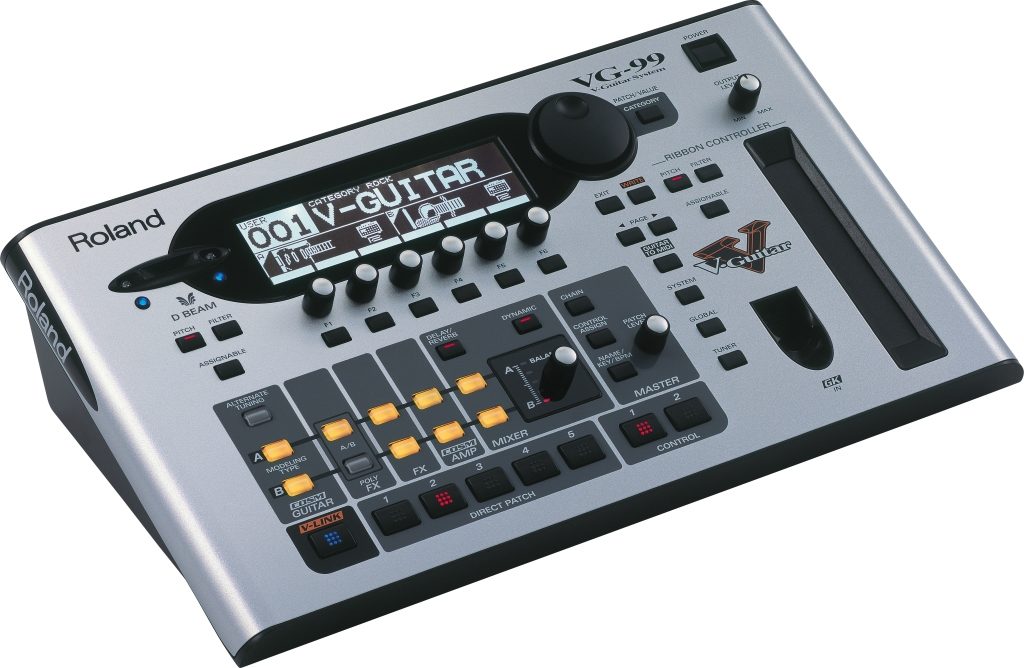
Roland VG-99 V-Guitar System
No longer available at zZounds
zZounds Gear Experts Say...
With the Roland VG-99 V-Guitar, you can open your guitar up to the world of MIDI. The VG-99 features a dual GT-Pro-class processor for endless possibilities.
Overview
In the history of guitar modeling, no manufacturer has devoted more time, resources and passion into this market segment than Roland -- from the world's first guitar modeling processor, the legendary VG-8, to its popular V-Guitar predecessors. Today, Roland proudly announces another milestone in guitar modeling and performance technology: the VG-99. With 3 powerful new processors at its core, plus expressive performance controls such as Ribbon Controller and D BEAM, this remarkable instrument raises the bar in guitar modeling and performance technology.
- New COSM(r) electric, acoustic and even bass guitar models, and new synth waves such as the famous GR-300
- Guitar to MIDI converter for direct connection to keyboards, sound modules, soft synths, computers, and other MIDI-compatible devices
- Supports USB audio and MIDI for easy digital recording and sequencing
- Dual GT-Pro-class effects processor enables unequalled flexible tone creation
- Advanced performance controls, including D BEAM, V-LINK and Ribbon Controller take guitar performance to a whole new level
- Simple and intuitive knob-based interface and new design support live performance
- Graphical Editor software included to support sophisticated sound making
- Versatile I/O, including USB, S/PDIF and XLR provide pro connections for virtually every type of music production and performance on stage to… read more professional studio recording
Features:
- Dual modeling engines allow guitar and amp models to be dynamically switched, layered and combined- New COSM(r) electric, acoustic and even bass guitar models, and new synth waves such as the famous GR-300
- Guitar to MIDI converter for direct connection to keyboards, sound modules, soft synths, computers, and other MIDI-compatible devices
- Supports USB audio and MIDI for easy digital recording and sequencing
- Dual GT-Pro-class effects processor enables unequalled flexible tone creation
- Advanced performance controls, including D BEAM, V-LINK and Ribbon Controller take guitar performance to a whole new level
- Simple and intuitive knob-based interface and new design support live performance
- Graphical Editor software included to support sophisticated sound making
- Versatile I/O, including USB, S/PDIF and XLR provide pro connections for virtually every type of music production and performance on stage to… read more professional studio recording
Multi Modeling
The VG-99 contains an incredible range of COSM-modeled guitars and amplifiers including new electric, acoustic and bass guitar models, a new GR-300 synth wave and much more. It even models 2 signal paths at once. Complete dual processing of guitar modeling on the VG-99 allows you to play 2 different guitar sounds simultaneously. For example, one virtual guitar could be a Telecaster(r) in a vintage Tweed amp with full effects and the other a nylon-string guitar with just a hint of reverb.Awesome Dynamic Control
Both modeled guitar and amp paths can be active at the same time, or they can be dynamically switched or blended. You can control the switching behavior between virtual guitars and/or amps by foot controllers, buttons/knobs on the unit, or according to your picking dynamics. Imagine playing softly for an acoustic-guitar sound, then transitioning to a full metal blast simply by picking more aggressively. Furthermore, each modeled guitar can be separately assigned to individual guitar strings. For example, you could have a 12-string guitar on 1st to 4th string and Synth-bass for 5th and 6th.Handle Alternate Tunings With Ease
The VG-99 can produce custom tunings -- anything the player desires on any virtual guitar. A virtual Les Paul(r), for example, could be tuned down 4 or 5 steps for a heavy sound, while a nylon string could be tuned as a 12-string, and also tuned down 4 or 5 steps at the same time. Open and drop tunings are also supported as well as user-defined custom tunings and can be applied to any COSM guitar, so the player can switch instantly between tuning setups without physically switching guitars or having to manually retune.Guitar Performance in a Higher Dimension
With its new performance-based design, the VG-99 can be placed within a player's easy reach on stage by using an optional PDS-10 stand. This new style setup allows various new performance possibilities such as D BEAM, Ribbon Controller and more. In combination with the versatile new foot controller FC-300, the VG-99 takes your guitar performance on stage to a whole new dimension.Most Wanted
You asked for it, now Roland delivers the most-requested new features in the VG-99, including an onboard guitar-to-MIDI converter for direct connection to keyboards, sound modules, soft synths, etc. Audio output via USB or S/PDIF digital out, and optional RAD-99 rack mount adaptor further enhance your music production environment. Built-in stereo XLR and 1/4 in. outputs are ideal for live stage performances and touring. The striking new on-screen editor makes programming the VG-99 super easy and fun. read lessDocuments and Manuals
For support or warranty questions, please contact the manufacturer:
Phone: 323-890-3700
Web: https://www.roland.com/us/support/
Phone: 323-890-3700
Web: https://www.roland.com/us/support/
Reviews
Reviewers gave this product an overall rating of 5 out of 5 stars.
(70 ratings)
Submitted October 20, 2007 by a customer from ns.sympatico.ca
"Buy this and a GK3 and you will play more than you ever have."
Sound
I have owned the VG8 the VG88EX and now the VG99. This is the first unit that really does sound exactly like the guitars and amps it models. It is by far the most amazing guitar product I have ever used.
The only complaint I have heard is that it doesn't play well with piezo pickups. I use a GK3 and it works perfect.
Features
According to the Roland rep, over 4000 adjustable settings.
Value
For the price of one amp you get every guitar , amp and effect known to man.
Manufacturer Support
I couldn't figure something out but after 5 or 6 emails the Roland rep found an answer for me.
Musical Background:
30 years playing guitar
24 of 28 people (86%) people found this review helpful. Did you?
Thanks for your opinion!
No longer available at zZounds
In most cases, a product is unavailable because it has been discontinued by the manufacturer

This is a carousel with product cards. Use the previous and next buttons to navigate.
People who bought this item also bought
Yamaha Revstar Standard RSS02T Electric Guitar (with Gig Bag)
$929.99
- 12 payments of$77.50/mo
- No Credit Check6 payments of$155.00/mo
-
Alesis Strike MultiPad Percussion Pad
$699.00
- 12 payments of$58.25/mo
- No Credit Check6 payments of$116.50/mo
-
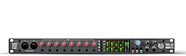
Solid State Logic SSL 18 USB Audio Interface
$1,099.99
- 12 payments of$91.67/mo
- No Credit Check6 payments of$183.33/mo
-
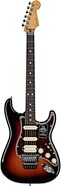
Fender Player II Modified Stratocaster HSS FR Electric Guitar, Rosewood Fingerboard (with Gig Bag)
$1,189.99
- 12 payments of$99.17/mo
- No Credit Check6 payments of$198.33/mo
-

Shure SM7dB Active Cardioid Dynamic Broadcast Microphone
$549.00
- 8 payments of$68.63/mo
- No Credit Check6 payments of$91.50/mo
-
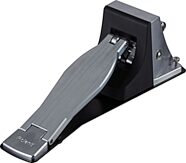
Roland KT-10 Kick Drum Trigger Pedal
$399.99
- 8 payments of$50.00/mo
- No Credit Check6 payments of$66.66/mo
-