
Rode NT1 5th Generation Hybrid XLR/USB Condenser Microphone
Rode revamps their beloved ultra-low-noise microphone with 32-bit float USB + XLR output, plus on-board DSP for compression, Aphex audio processing and more.
$228.00
- No Credit Check6 payments of$35.67/mo
Rode Podcaster Dynamic USB Microphone
No longer available at zZounds
zZounds Gear Experts Say...
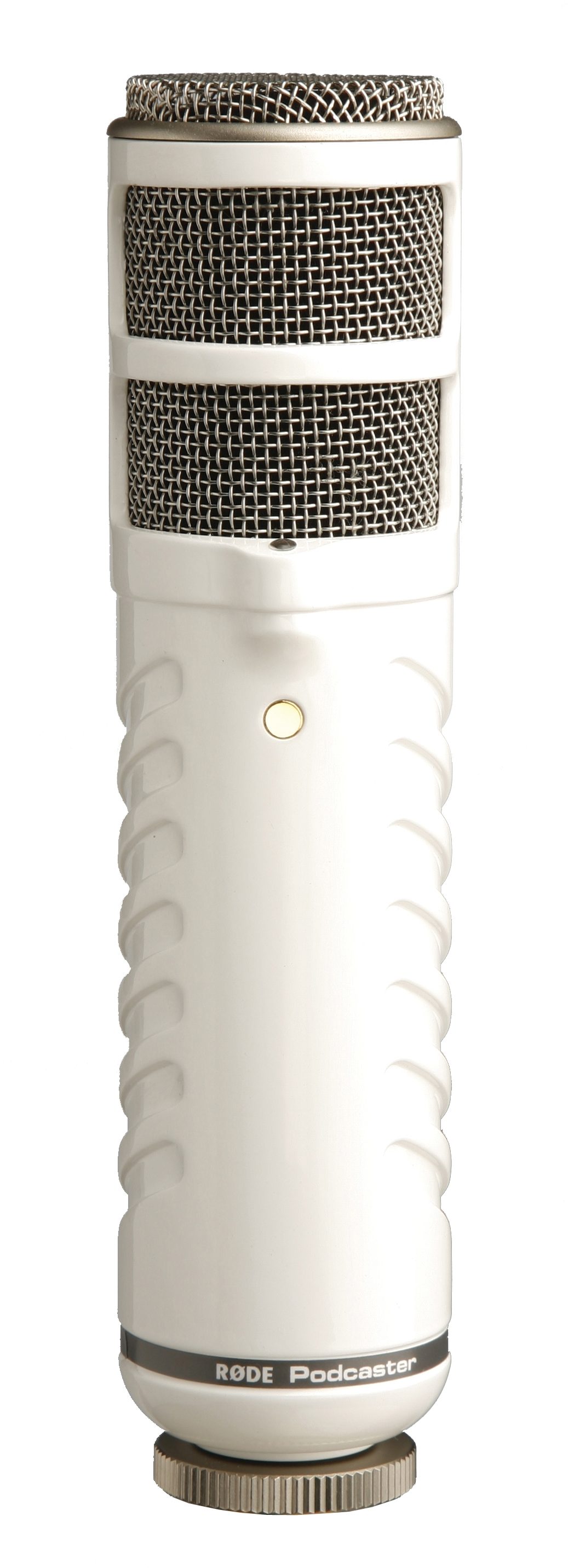
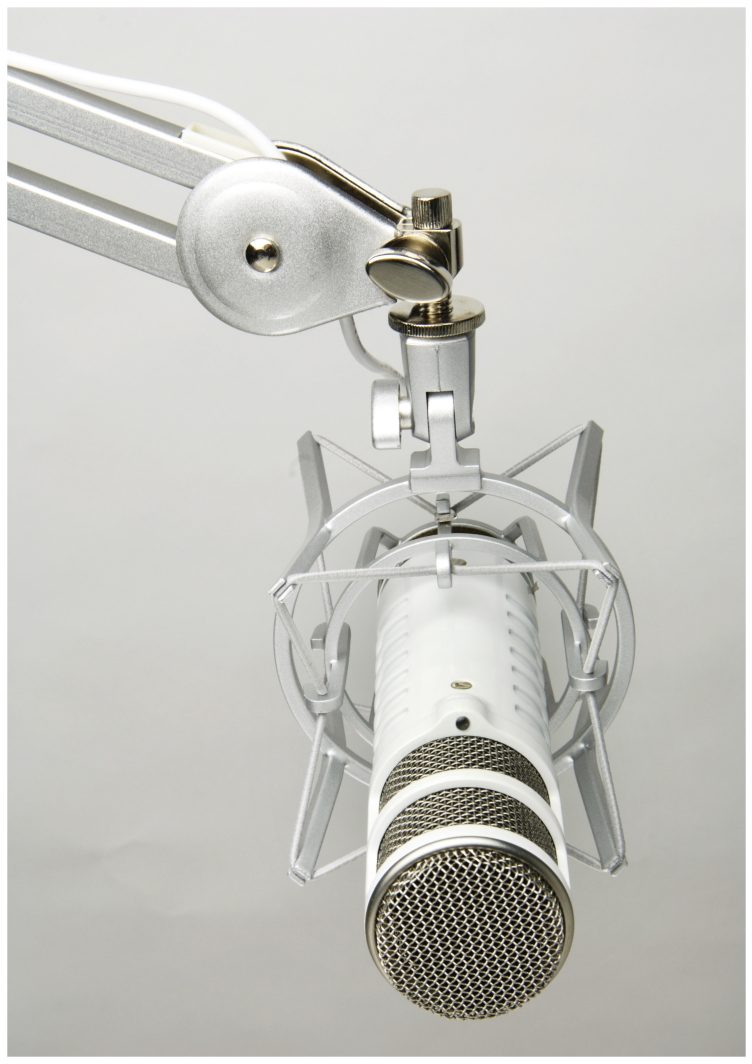
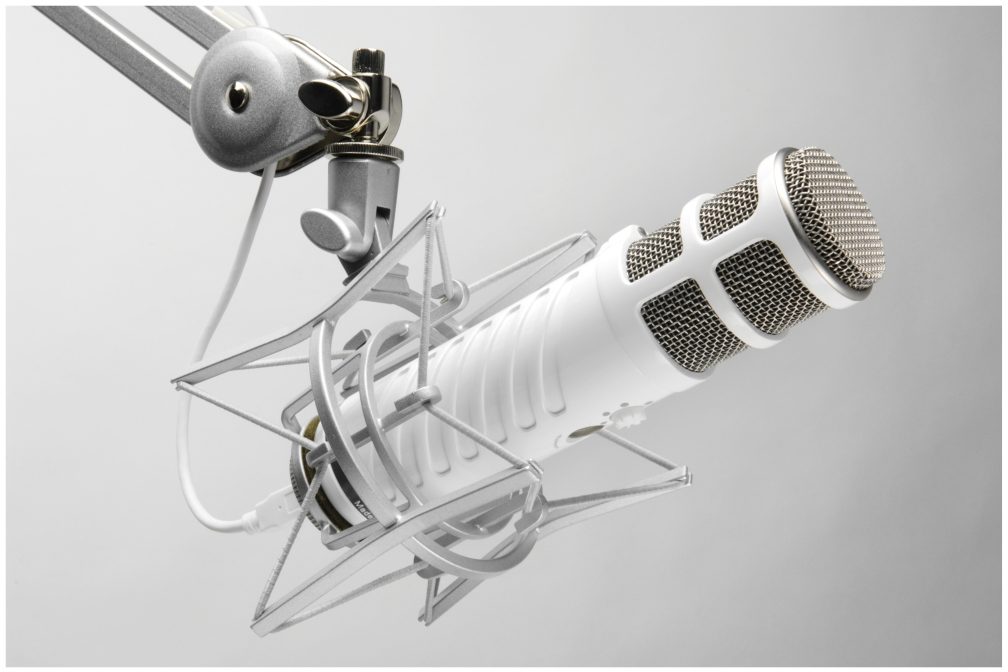
Record podcasts or track voiceover for videos and presentations with Rode's broadcast-quality USB dynamic microphone, tailored specifically for voice.
Overview
With a classic design that instantly evokes the sturdy end-address dynamic mics that have long been indispensable in radio stations, the Rode Podcaster is a professional USB microphone designed for no-nonsense direct-to-computer recording. As the name implies, it's ideal for podcasters and home-studio voiceover talent who need a dependable desk mic that rejects off-axis background noise. A built-in headphone output on the microphone body provides zero-latency monitoring so you can hear what you're recording with no echo or delay -- and it's built like a tank (with a 10-year warranty that takes effect after registration on Rode's website). With the Rode Podcaster, the term "USB mic" no longer means "cheesy." This is one USB microphone that delivers great sound and serious build quality for your money.
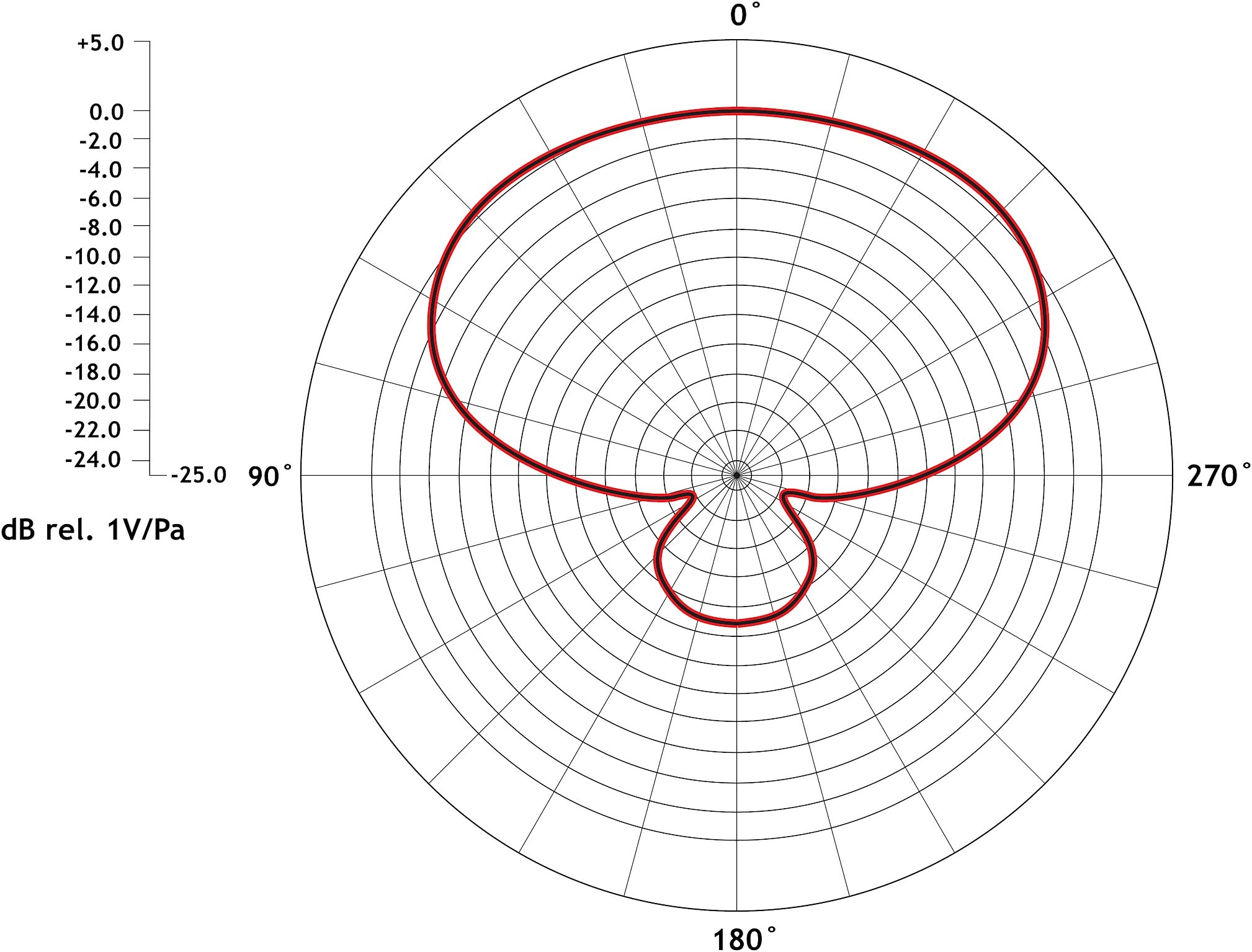
- Cardioid pickup pattern rejects background noise
- Simple setup -- works with any Mac or PC
- Built-in headphone jack for zero-latency monitoring
- 10-foot USB cable and stand mount included
- Up to 48 kHz sampling rate
- 18-bit digital-to-analog converter read less
Dynamic vs. Condenser
As any audio engineer will tell you, most microphones fall into two categories: condensers and dynamics. In general, dynamic mics are a must-have for live performance, while condensers are often a good choice for recording. But in the home environment, condensers' sensitivity makes them susceptible to background noise. Condenser mics are more delicate, touchy instruments, and many consumer-level USB condensers tend to suffer from an unnaturally "hyped" high-end response. The Rode Podcaster fills a void in the market by providing a robust, broadcast-quality USB dynamic mic with accurate vocal reproduction.Fast, Simple Setup
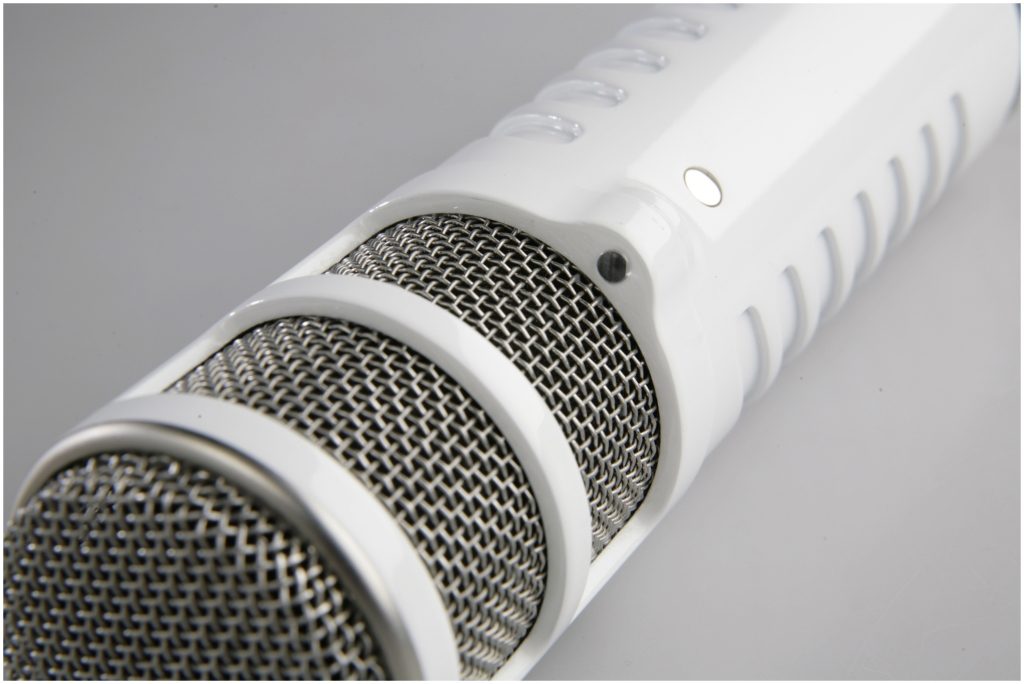
Setting up the Rode… read more Podcaster couldn't be easier: simply plug the included 10-foot USB cable into your computer's USB port. With a USB mic, there's no need for an audio interface, preamp, or external sound card of any kind. The microphone's LED will flash red, then solid green to indicate that it's being properly powered over USB -- clearly visible whenever you're in the speaking position. And there's no need to install a driver; simply open your computer's system preferences to select the mic for your audio input and adjust its sensitivity to your voice. Plug any 1/8" headphones into your Podcaster's built-in headphone jack to monitor your sound directly off the mic with zero latency. And you can use Podcaster's included stand mount to secure it on any standard threaded desk stand, or choose the optional Rode PSM1 shock mount and PSA1 boom arm to save space on your desk.Features:
- Broadcast-quality dynamic USB microphone- Cardioid pickup pattern rejects background noise
- Simple setup -- works with any Mac or PC
- Built-in headphone jack for zero-latency monitoring
- 10-foot USB cable and stand mount included
- Up to 48 kHz sampling rate
- 18-bit digital-to-analog converter read less
Specs
Acoustic Principle: Dynamic (neodymium) 28 mm
Active Electronics: Analogue signal conditioning + A/D and USB interface
Pickup Pattern: Cardioid
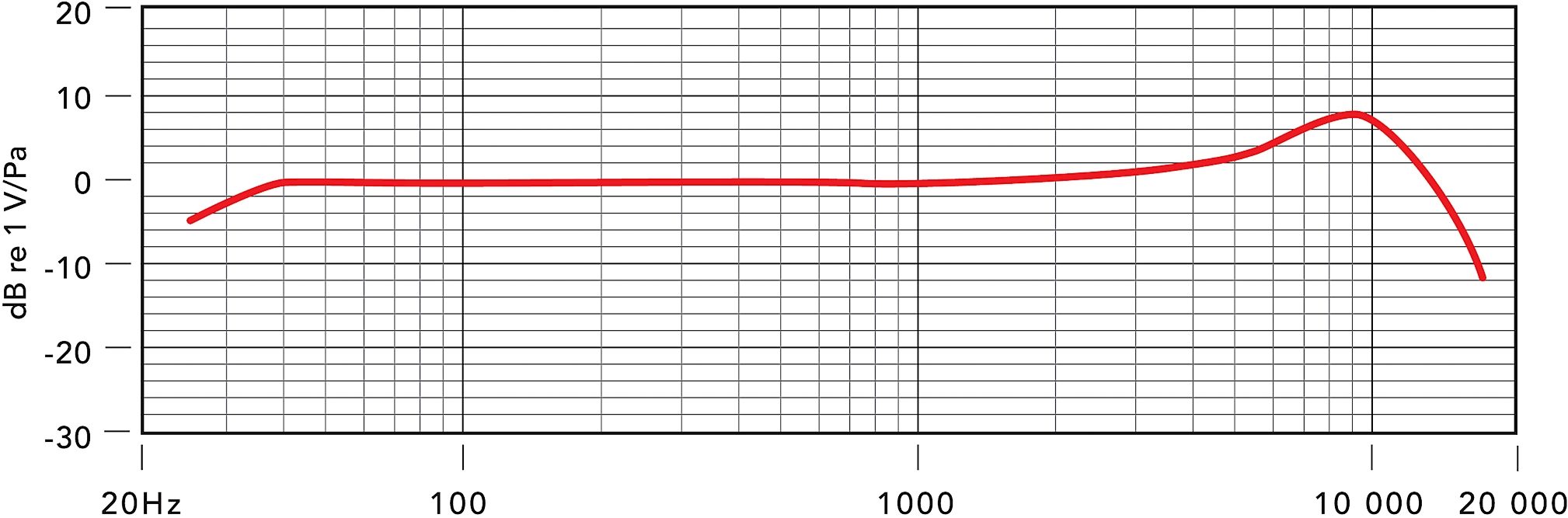
Frequency Response: 40 Hz ~ 14 kHz
Sensitivity: -51 dB re 1 Volt/Pascal (2.8 mV @ 94dB SPL) +/- 3 dB
Maximum SPL: 115 dB
Signal/Noise: > 78 dB
Analogue Output: Headphone audio output for monitoring
Digital Output Interface: USB
Resolution: 18 bits
Audio Control: AC97
Power Requirements: Power supplied from USB port.
Weight: 610g (21.5 oz)
Packed Weight: 1025g (36 oz)
Dimensions:
Length: 215mm (8 in.)
Height: 56mm (2 in.)
Width: 52mm (2 in.)
Active Electronics: Analogue signal conditioning + A/D and USB interface
Pickup Pattern: Cardioid
Frequency Response: 40 Hz ~ 14 kHz
Sensitivity: -51 dB re 1 Volt/Pascal (2.8 mV @ 94dB SPL) +/- 3 dB
Maximum SPL: 115 dB
Signal/Noise: > 78 dB
Analogue Output: Headphone audio output for monitoring
Digital Output Interface: USB
Resolution: 18 bits
Audio Control: AC97
Power Requirements: Power supplied from USB port.
Weight: 610g (21.5 oz)
Packed Weight: 1025g (36 oz)
Dimensions:
Length: 215mm (8 in.)
Height: 56mm (2 in.)
Width: 52mm (2 in.)
Documents and Manuals
For support or warranty questions, please contact the manufacturer:
Phone: 562-364-7400
Web: https://rode.com/en/support/contact
Phone: 562-364-7400
Web: https://rode.com/en/support/contact
Rode's Description
Rode Podcaster Dynamic USB Microphone
Seamless integration was the idea, and it was obtained by creating a studio dynamic microphone with unparalleled A/D converters, so that the microphone can be plugged into any computer with no in/out boxes, no expensive computer pre-amps, just a USB cable.The Podcaster offers an end-address configuration, the clarity of RODE's tailored-for-voice frequency response, an 'ON' L.E.D, a direct headphone amp, and of course very low self noise.
The Podcaster opens up possibilities for anyone who records audio - from podcasters, journalists and students to business people adding audio files to websites and multimedia presentations.
Reviews
Reviewers gave this product an overall rating of 4 out of 5 stars.
(21 ratings)
Submitted December 30, 2025 by Keon H in Woodbine, MD
"OK Mic for easy, Read review if your a Pro looking for Pro Quality - Ill explain where this Mic WORKS and Doesnt"
Verified Purchaser
zZounds has verified that this reviewer purchased this specific product from us.
I purchased this microphone as a replacement after my PodMic USB was damaged. I needed a reliable backup USB microphone, and based on the price, solid build quality, and trusted brand name, this was the best choice. If you are a professional content creator or require high-quality, broadcast-ready audio with minimal processing before running it through a DAW or video application, this may not be the right microphone for you. Achieving a polished sound requires significant post-recording processing.
Sound
This microphone is better suited for users who value simplicity over professional-grade audio and prefer to avoid post-processing altogether. Out of the box, the sound is somewhat boxy, lacks low-end presence, and the provided frequency response specifications do not fully align with what I hear in real-world use. If you are looking for a professional microphone that fully utilizes RØDE Connect software, the PodMic USB is the better option. This microphone is not compatible with RØDE Connect beyond basic gain adjustment.In practice, the software offers little to no benefit with this mic, particularly on Windows 11, where driver and input/output configuration issues are common. Due to these limitations, using RØDE Connect with this microphone is not worthwhile. RØDE does not list this model as compatible with the software, and users should be aware of this before purchasing.
Features
This microphone is clearly designed… read more for web-based communication, and it performs very well in that role. For platforms such as WebEx, Zoom, Microsoft Teams, WhatsApp, or similar calling applications, it delivers exactly what is needed. The frequency response is well suited for voice clarity in these environments rather than for professional audio production.
Ease of Use
I have decided to keep this microphone instead of returning it as I use Web Based Apps for communication and this is better suited for that vs Pro Audio. If your goal is professional-quality audio for content creation, I strongly recommend choosing the PodMic USB rather than this model.
Quality
It will Last Forever
Value
I purchased this microphone after my PodMic USB was damaged, and RØDE is repairing it at no cost. The USB port had shifted out of place, and their support team was extremely professional—responding to me on a Sunday afternoon at 4:30, which was impressive.From a budget standpoint, this microphone was a great value. I purchased it as a clearance/open-box item for $150, and as a backup microphone—or a high-quality option for video calls—I couldn’t be more satisfied.
Manufacturer Support
I currently use a RØDECaster Pro II, own three PodMics, and have several other RØDE products. Overall, my experience with the brand has been excellent, and their equipment has consistently performed at a high level.
The Wow Factor
I want to be very clear: I would not use this microphone in any professional audio environment. First and foremost, it is a USB microphone, which is not standard on professional soundstages—period.That said, it performs well for video conferencing and very basic voiceover work. I would not place this microphone in any setting where professional-quality audio is required or where the content is intended to be monetized. Despite having “podcaster” in the name, this is not a microphone designed for professional podcast production.For a simple, non-monetized podcast or casual use, it may be a good fit. However, if your goal is to monetize content, achieve a polished sound, and deliver professional-quality audio on platforms like YouTube, the PodMic USB is the far better choice. This microphone should be viewed strictly as a solution for basic video calls, simple voiceovers, and voice-to-text applications—nothing more.
Musical Background:
Professional Musician - Sound Tech - Youtube Podcaster
Musical Style:
Fusion Jazz, Gospel, and Funk read less
Sound
This microphone is better suited for users who value simplicity over professional-grade audio and prefer to avoid post-processing altogether. Out of the box, the sound is somewhat boxy, lacks low-end presence, and the provided frequency response specifications do not fully align with what I hear in real-world use. If you are looking for a professional microphone that fully utilizes RØDE Connect software, the PodMic USB is the better option. This microphone is not compatible with RØDE Connect beyond basic gain adjustment.In practice, the software offers little to no benefit with this mic, particularly on Windows 11, where driver and input/output configuration issues are common. Due to these limitations, using RØDE Connect with this microphone is not worthwhile. RØDE does not list this model as compatible with the software, and users should be aware of this before purchasing.
Features
This microphone is clearly designed… read more for web-based communication, and it performs very well in that role. For platforms such as WebEx, Zoom, Microsoft Teams, WhatsApp, or similar calling applications, it delivers exactly what is needed. The frequency response is well suited for voice clarity in these environments rather than for professional audio production.
Ease of Use
I have decided to keep this microphone instead of returning it as I use Web Based Apps for communication and this is better suited for that vs Pro Audio. If your goal is professional-quality audio for content creation, I strongly recommend choosing the PodMic USB rather than this model.
Quality
It will Last Forever
Value
I purchased this microphone after my PodMic USB was damaged, and RØDE is repairing it at no cost. The USB port had shifted out of place, and their support team was extremely professional—responding to me on a Sunday afternoon at 4:30, which was impressive.From a budget standpoint, this microphone was a great value. I purchased it as a clearance/open-box item for $150, and as a backup microphone—or a high-quality option for video calls—I couldn’t be more satisfied.
Manufacturer Support
I currently use a RØDECaster Pro II, own three PodMics, and have several other RØDE products. Overall, my experience with the brand has been excellent, and their equipment has consistently performed at a high level.
The Wow Factor
I want to be very clear: I would not use this microphone in any professional audio environment. First and foremost, it is a USB microphone, which is not standard on professional soundstages—period.That said, it performs well for video conferencing and very basic voiceover work. I would not place this microphone in any setting where professional-quality audio is required or where the content is intended to be monetized. Despite having “podcaster” in the name, this is not a microphone designed for professional podcast production.For a simple, non-monetized podcast or casual use, it may be a good fit. However, if your goal is to monetize content, achieve a polished sound, and deliver professional-quality audio on platforms like YouTube, the PodMic USB is the far better choice. This microphone should be viewed strictly as a solution for basic video calls, simple voiceovers, and voice-to-text applications—nothing more.
Musical Background:
Professional Musician - Sound Tech - Youtube Podcaster
Musical Style:
Fusion Jazz, Gospel, and Funk read less
Did you find this review helpful?
Thanks for your opinion!
No longer available at zZounds
This is a carousel with product cards. Use the previous and next buttons to navigate.
Related Accessories
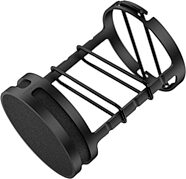
IsoVox IsoPop BroadCast Microphone Pop Filter
$109.00
- No Credit Check6 payments of$18.17/mo
Comes in 2 Colors-
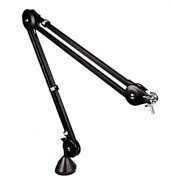
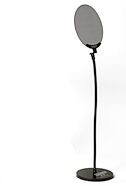


This is a carousel with product cards. Use the previous and next buttons to navigate.
Related Accessories
-
-
IsoVox IsoPop BroadCast Microphone Pop Filter
$109.00
- No Credit Check6 payments of$18.17/mo
Comes in 2 Colors -
-
-
This is a carousel with product cards. Use the previous and next buttons to navigate.
People who bought this item also bought
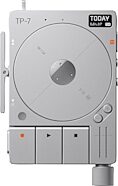
Teenage Engineering TP-7 Digital Tape Recorder
$1,499.00
- 12 payments of$124.92/mo
Comes in 2 Colors-
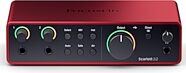

ADAM Audio A7V Active Studio Monitor
$819.99
- 12 payments of$68.33/mo
- No Credit Check6 payments of$136.66/mo
Comes in 2 Quantities-
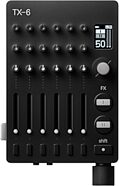
Teenage Engineering TX-6 6-Channel Portable Mixer
$1,199.00
- 12 payments of$99.92/mo
- No Credit Check6 payments of$199.83/mo
Comes in 2 Colors-

Akai MPC Key 37 G2 Music Production Center Keyboard
$999.00
- 12 payments of$83.25/mo
- No Credit Check6 payments of$166.50/mo
-

Yamaha HS5 Active Studio Monitor
$199.99
- No Credit Check6 payments of$33.33/mo
Comes in 2 Quantities, 2 Colors-
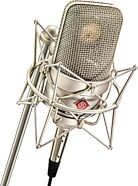

Gibson Les Paul Studio Session Electric Guitar (with Soft Case)
$1,999.00
- 12 payments of$166.58/mo
Comes in 6 Colors-

Yamaha HS8 Active Studio Monitor
$398.99
- 8 payments of$49.87/mo
- No Credit Check6 payments of$66.50/mo
Comes in 2 Quantities, 2 Colors-