

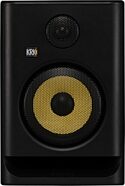
KRK RP7G5 Rokit 7 Generation 5 Studio Monitor
KRK's home-studio staple 7" Rokit returns with 3 new voicing modes (neutral Mix, scooped-mids Create, and mids-focused Focus) to make checking mixes easy.
$269.00
- No Credit Check6 payments of$44.83/mo
KRK RP6G2 Rokit G2 Powered 2-Way Active Monitor
No longer available at zZounds
zZounds Gear Experts Say...
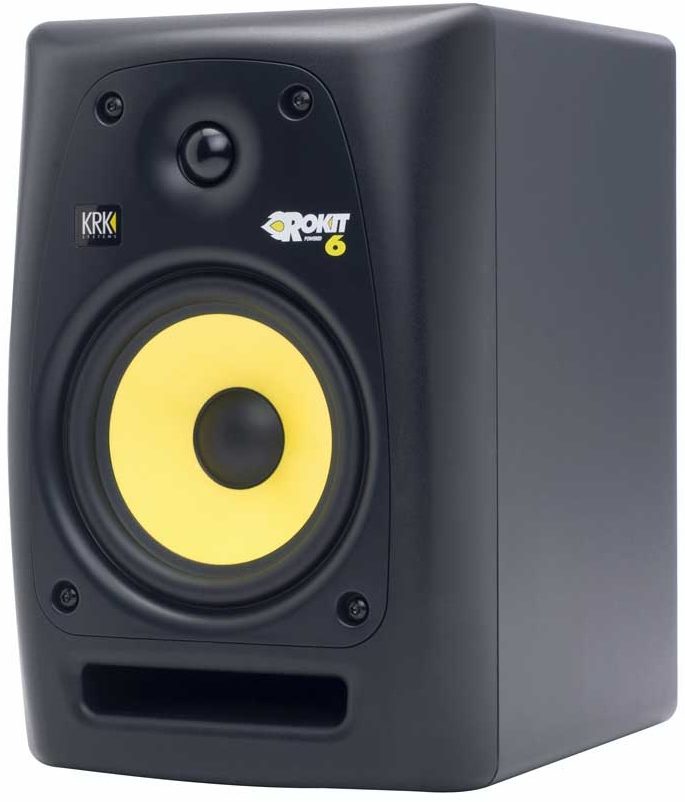
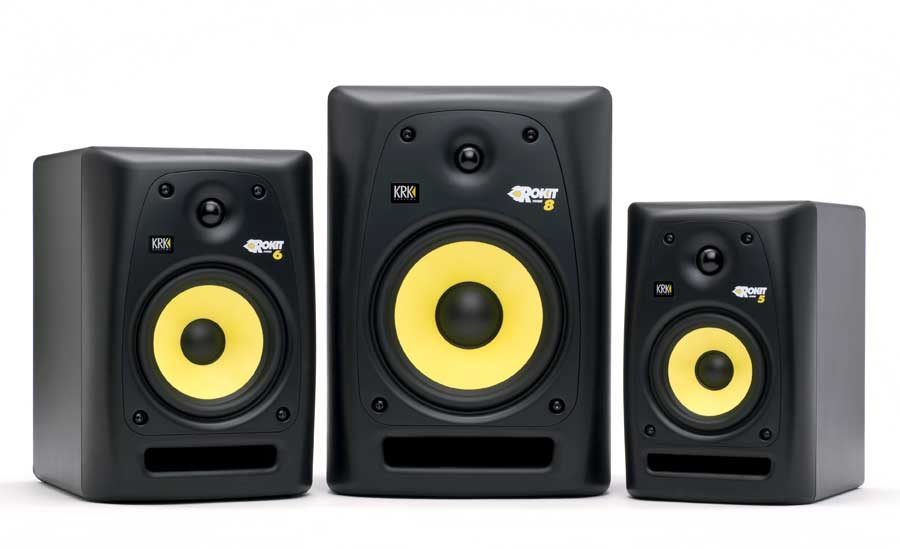
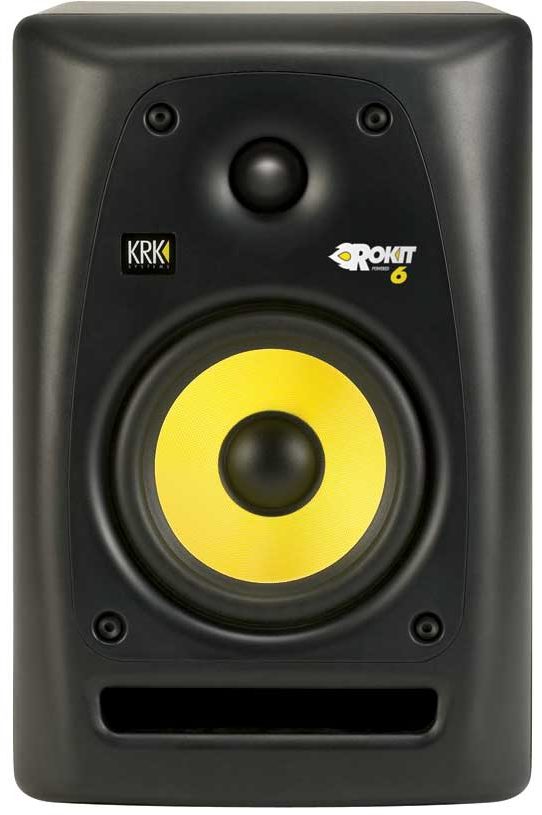
Trust your ears, trust your monitors. The RP6G2 Rokit G2's from KRK feature a speaker voicing that offers an extremely accurate frequency response.
Overview
KRK has become one of the most trusted names in home recording, but only after becoming a well-known success in professional circles. They've taken the engineering know-how that went into their top-of-the-line monitors and applied these techniques to the revamped Rokit Generation 2 line. And the beneficiary? You. These KRK RP monitors are still as affordable and user-friendly as ever, and now they're even more accurate.
- Waveguide design provides amazing detail and imaging
- Front-firing port provides low freq extension without boundary coupling
- Speaker voicing for even more accurate frequency response
- 1-inch Neodymium soft dome tweeter
- Glass Aramid composite cone woofer
The KRK Rokit RP6G2 is the next evolutionary step in a long line of successful and respected professional and home studio monitoring products. So if you're shopping for your first studio reference monitors, trust in the name that's been trusted for decades by engineers around the world: KRK. read less
Easy To Set Up
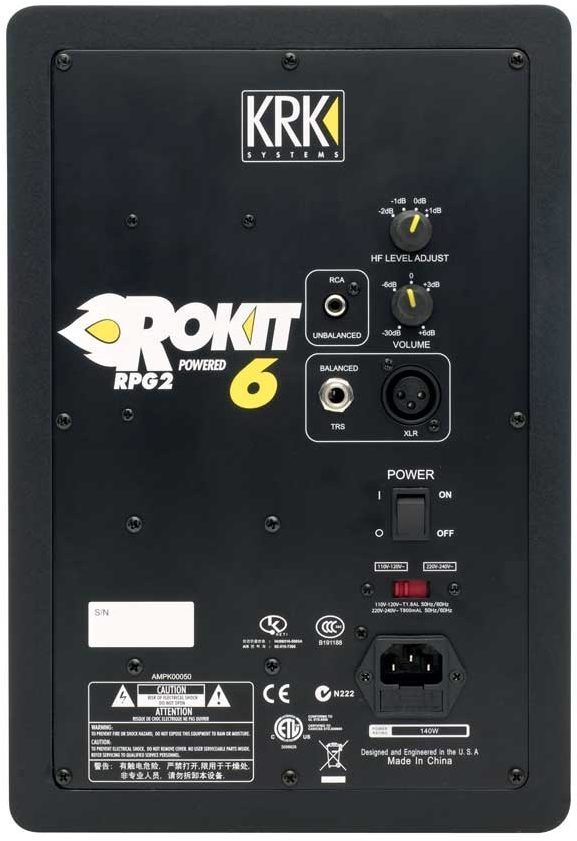
With the home recording enthusiast in mind, KRK designed the Rokit RP6G2 to make adding accurate monitoring to your setup as hassle-free as possible. Because the RP6G2 is active (self-powered), you won't have to worry about finding or hooking up a separate, matching power amp. The Rokit's internal amplifier ensures maximum driver efficiency for plenty of headroom and instant studio integration. With simple volume and high-frequency controls, the RP6G2s provide enough tone-shaping to adjust your monitors to different rooms and projects.Ergonomic Design For Home Studios
KRK incorporated several simple design elements to the RP6G2 cabinet in order to eliminate the most common monitor placement issues. For example, rear-firing bass ports, which typically extend a speaker's low-frequency range, tend to cause boundary coupling when situated near a wall, resulting in over-hyped bass response. Front-firing ports keep this from being an issue with the Generation 2 Rokits. The cabinet design also helps eliminate diffraction inherent in… read more traditional box-shaped monitors. The KRK RP6 G2 incorporates the same curved edges as the higher-end KRKs to virtually eliminate diffraction issues. These two clever elements result in a sound that's more accurate than other home studio reference monitors can deliver.Generation 2: Improved Drivers, Improved Sound
That classic yellow glass aramid composite woofer is still there, and its companion neodymium tweeter has been re-voiced for an even more neutral -- and therefore, more accurate -- performance. KRK also improved the tweeter's wave-guide design. High-end diffusion is even more directional and phase problems are cut down significantly. The result is a clearer impression of those ever-important transients that can otherwise wreck recorded instruments like cymbals and acoustic guitar, and can undesirably color the "air" in a vocal track. All in all, you simply get a clearer image of your mix with the KRK Rokits.Features:
- Radically curved front plate design virtually eliminates diffraction distortion- Waveguide design provides amazing detail and imaging
- Front-firing port provides low freq extension without boundary coupling
- Speaker voicing for even more accurate frequency response
- 1-inch Neodymium soft dome tweeter
- Glass Aramid composite cone woofer
The KRK Rokit RP6G2 is the next evolutionary step in a long line of successful and respected professional and home studio monitoring products. So if you're shopping for your first studio reference monitors, trust in the name that's been trusted for decades by engineers around the world: KRK. read less
Specs
Drivers:
- Woofer: 6-inch Glass Aramid Composite Woofer
- Tweeter: 1-inch Neodymium Soft Dome Tweeter with Ferro Fluid
- Input: XLR, RCA & 1/4-inch TRS - 10k Ohm, Balanced / Unbalanced
- Amplification: 100 Watt Bi-amp Dynamic Power, 24 dB Octave Filters
- Frequency Response: 49Hz - 20kHz
- Video Shielding: Yes
- Dimensions (H x W x D): 12 11/16 x 8 7/8 x 11 1/2 inches
- Woofer: 6-inch Glass Aramid Composite Woofer
- Tweeter: 1-inch Neodymium Soft Dome Tweeter with Ferro Fluid
- Input: XLR, RCA & 1/4-inch TRS - 10k Ohm, Balanced / Unbalanced
- Amplification: 100 Watt Bi-amp Dynamic Power, 24 dB Octave Filters
- Frequency Response: 49Hz - 20kHz
- Video Shielding: Yes
- Dimensions (H x W x D): 12 11/16 x 8 7/8 x 11 1/2 inches
Documents and Manuals
For support or warranty questions, please contact the manufacturer:
Phone: 1-800-4GIBSON (1-800-444-2766)
Email: service@gibson.com
Web: https://www.krkmusic.com/pages/contact or https://www.gibson.com/pages/contact-support
Phone: 1-800-4GIBSON (1-800-444-2766)
Email: service@gibson.com
Web: https://www.krkmusic.com/pages/contact or https://www.gibson.com/pages/contact-support
KRK's Description
KRK RP6G2 Rokit G2 Active Monitor
The KRK RP6G2 Rokit G2 Powered Studio Monitor takes this KRK design to greater heights. All of the great stuff that Rokit's have been known for including front-firing bass port, soft-domed tweeter, glass aramid composite yellow cone are still there, but the G2 Rokit's feature refined voicing and a curved baffle that looks great, reduces diffraction and provides even better monitoring accuracy.Features:
- Radically curved front plate design virtually eliminates diffraction distortion- Waveguide design provides amazing detail and imaging
- Front-firing port provides low freq extension without boundary coupling
- Speaker voicing for even more accurate frequency response
- 1-inch Neodymium soft dome tweeter
- Glass Aramid composite cone woofer
Even More Accurate Than Before
KRK engineers and listening panel took the Generation 2 Rokits' speaker voicing to even more accurate levels. What you hear is what you are intended to hear, coloration is not part of the spec. This performance is brought to you by drivers that are custom-designed by KRK's world-class studio monitor engineering team, for clear, low-distortion performance.The Recessed tweeters may look the same, but they don't perform the same. KRK has designed a superior tweeter wave guide for the Rokit that provides optimal high frequency pattern control and focuses the sound outward, away from the cabinet. More conventional designs direct sound along the plane of the cabinet where waveform interaction can cause phase problems and increased diffraction. KRK knows a properly engineered high frequency wave guide is a critical component to great sound, and one key to their award winning performance.
Reviews
Reviewers gave this product an overall rating of 5 out of 5 stars.
(47 ratings)
Submitted March 21, 2009 by a customer from gmail.com
"Excellent sound, excellent value! Grab 'em!"
Can't say anything bad about these speakers. They're nearfields, so they're not designed to blow the doors off the club. They're designed to be near you, with you in the sweet spot, and for that purpose they really do excel. Fantastic.
Sound
The sound quality is really excellent for this price point. If you are just starting out with a project studio, and you want something that won't lead you astray, this is probably one of the best choices you can make for a nearfield monitor. The sound is clear, evenly distributed, and it makes mixing very easy. The bass extension is just right (to my ears). The stereo imaging is just lovely. You can very clearly hear each instrument in its own space. Fantastic sound - very happy.
Features
The included High Frequency adjuster is very handy (a low frequency one would have been cool too), and the volume knob allows you to get a good balance between speakers in an untreated room (a la my bedroom studio).
Ease of Use
Plug in. Turn on. Be amazed. Simple, really.
Quality
Can't fault the quality. They look great and are well made.
Value
Fantastic value at this price point. What an excellent project studio / bedroom studio set of speakers. Look no further.
Manufacturer Support
n/a
Musical Background:
Budding Producer
Musical Style:
Pop, Hip Hop
50 of 52 people (96%) people found this review helpful. Did you?
Thanks for your opinion!
No longer available at zZounds

This is a carousel with product cards. Use the previous and next buttons to navigate.
People who bought this item also bought
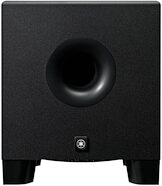
Yamaha HS8S Active Studio Subwoofer
$499.99
- 8 payments of$62.50/mo
- No Credit Check6 payments of$83.33/mo
-

Universal Audio Apollo Twin X Duo Gen 2 Thunderbolt Audio Interface, Analog Classics Edition
$999.00
- 12 payments of$83.25/mo
- No Credit Check6 payments of$166.50/mo
-

Akai MPC Key 37 G2 Music Production Center Keyboard
$999.00
- 12 payments of$83.25/mo
- No Credit Check6 payments of$166.50/mo
-

Neumann TLM 102 Studio Microphone
$799.00
- 12 payments of$66.58/mo
- No Credit Check6 payments of$133.17/mo
Comes in 2 Colors, 2 Mfg Models-

Neumann TLM 103 Studio Microphone
$1,295.00
- 12 payments of$107.92/mo
Comes in 2 Colors, 2 Mfg Models-

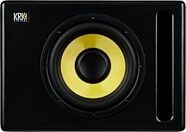
KRK S10.4 Powered Studio Subwoofer (160 Watts)
$479.00
- 8 payments of$59.88/mo
- No Credit Check6 payments of$79.83/mo
-
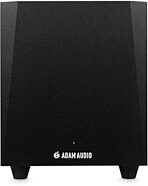
ADAM Audio T10S Powered Studio Subwoofer Speaker
$499.99
- 8 payments of$62.50/mo
- No Credit Check6 payments of$83.33/mo
-