Korg Kronos 88 Synthesizer Workstation (88-Key)
No longer available at zZounds
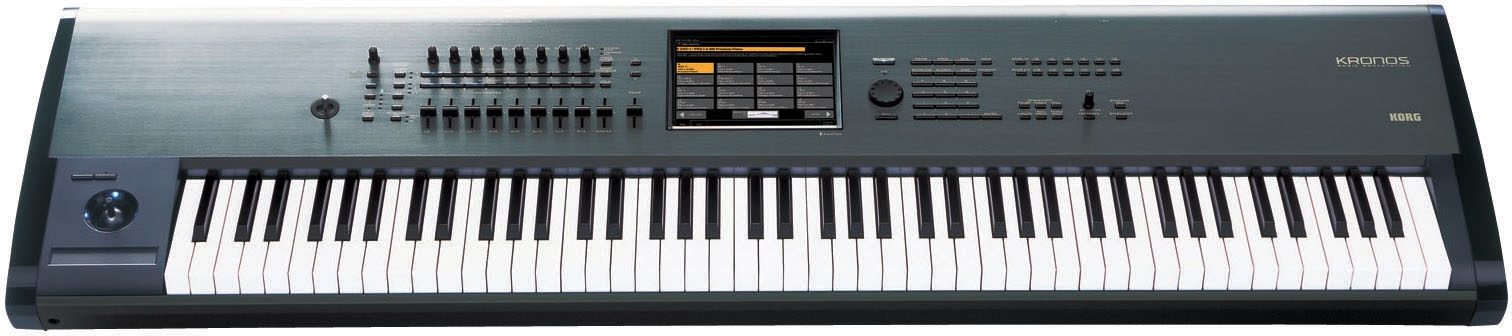
Play and produce any style on Korg's top-shelf Kronos workstation keyboard, with customizable sounds from nine synthesis engines and an 8" color touchscreen.
Overview
For nearly half a century, Korg has set the standard for technical innovation, leadership, and superior sound. Korg has created entire categories of musical products, and has produced some of the top-selling synthesizers and keyboard instruments ever; the instruments favored by musicians around the globe. In 1988, Korg defined the workstation category with the revolutionary M1. Today, in 2011, Korg redefines and reimagines the music workstation, revolutionizing the capabilities of the hardware instrument and exceeding the demands of the modern player: introducing the Kronos Music Workstation.
- 16-part Combis allow all engines to function together in perfect harmony; Dynamic Voice Allocation keeps the polyphony high.
- Korg's finest RH3 Graded Hammer Action.
- Comprehensive interface, based around a new large 8" TFT TouchView(TM) display
- Virtual Memory Technology (VMT), aided by a fast SSD (Solid-State Disk) provides high polyphony and massive, ultra-long, and unlooped samples.
- Smooth Sound Transition: this often-requested feature allows held or sustained notes to keep sounding when changing sounds or modes.
- Set List mode: Organize the Programs, Combis, and Songs you need to perform your set in a single, easy-to-select screen - including performance notes!
- Use up to 16 premium-quality effects at once; individual effects rival dedicated units.
- Onboard sequencer… read more offers 16 MIDI tracks + 16 audio tracks (24-bit, 48kHz recording quality)
- Open Sampling System - Instant sampling and resampling from any mode: Program, Combination or Sequencer.
- Sophisticated KARMA(R) technology generates infinitely variable performance-driven phrases, musical effects, and backing tracks to catalyze your creativity
- Expanded Drum Track for play-along grooves and inspiration
- Signature sounds created with guidance from world class musicians
Highlights
- 9 Sound engines, each offering a unique sound-creation technology (see list below)- 16-part Combis allow all engines to function together in perfect harmony; Dynamic Voice Allocation keeps the polyphony high.
- Korg's finest RH3 Graded Hammer Action.
- Comprehensive interface, based around a new large 8" TFT TouchView(TM) display
- Virtual Memory Technology (VMT), aided by a fast SSD (Solid-State Disk) provides high polyphony and massive, ultra-long, and unlooped samples.
- Smooth Sound Transition: this often-requested feature allows held or sustained notes to keep sounding when changing sounds or modes.
- Set List mode: Organize the Programs, Combis, and Songs you need to perform your set in a single, easy-to-select screen - including performance notes!
- Use up to 16 premium-quality effects at once; individual effects rival dedicated units.
- Onboard sequencer… read more offers 16 MIDI tracks + 16 audio tracks (24-bit, 48kHz recording quality)
- Open Sampling System - Instant sampling and resampling from any mode: Program, Combination or Sequencer.
- Sophisticated KARMA(R) technology generates infinitely variable performance-driven phrases, musical effects, and backing tracks to catalyze your creativity
- Expanded Drum Track for play-along grooves and inspiration
- Signature sounds created with guidance from world class musicians
The Game Has Been Changed
Kronos is more than a new instrument. It is a milestone in synthesis and workstation evolution; one that embodies fresh ideas and breakthrough technologies. Kronos brings together multiple sound engines working in harmony and new interactive performance features that reflect the way musicians play. Most importantly, Kronos provides a seemingly inexhaustible supply of breathtaking, spectacular sounds. Prepare to be amazed.Nine Engines; a Universe of Sound
Kronos unites nine individual synthesis engines in a single instrument, each providing the finest sound creation techniques available. Together, they represent not only the rich legacy of Korg, but the history of the electronic keyboard industry itself. Dig into the classic sounds of timeless instruments that are still loved to this day. Enjoy unique sounds that once startled the world. Venture into new sonic territory with sounds that have become possible now. read lessSpecs
[System]
System: KRONOS
Keyboard: 88-key: RH3 (Real Weighted Hammer Action 3)
[Tone Generator]
Synthesis Types: 9
SGX-1 Premium Piano (Acoustic Piano)
EP-1 MDS Electric Piano (Electric Piano)
HD-1 High Definition Synthesizer (PCM Virtual Memory Technology)
AL-1 Analog Synthesizer (Analog Modeling)
CX-3 Tonewheel Organ (Tonewheel Organ Modeling)
STR-1 Plucked String (Physical Modeling)
MOD-7 Waveshaping VPM Synthesizer (VPM Synthesis)
MS-20EX (CMT Analog Modeling)
PolysixEX (CMT Analog Modeling)
Maximum Polyphony*1*2:
SGX-1: 100 voices*3
EP-1: 104 voices
HD-1: 140 voices
AL-1: 80 voices
CX-3: 200 voices
STR-1: 40 voices
MOD-7: 52 voices
MS-20EX: 40 voices
PolysixEX: 180 voices
*1 Maximum polyphony depends on the kind of synthesis engines and the number of effects being used.
*2 KRONOS dynamically allocates voices to multiple synthesis engines when they are used simultaneously.
*3 100 dual-stereo notes (It corresponds to 400 voices in the maximum.)
Number of Programs/Combinations/Drumkits:
1,664 user memory programs
(1510 or more [760 or more HD-1+750 or more EXi] come preloaded)
1,792 user memory combinations
(448 or more come preloaded)
152 user memory drumkits
(77 or more come preloaded)
256 GM Level2 preset programs+ 9 GM Level2 drum preset programs
Preset PCM:
314 MB (ROM 1,505 multisamples, 1388 drum samples)
Build-in Expansion PCM Libraries:
EXs1 - ROM Expansion
EXs2 - Concert Grand Piano
EXs3 - Brass & Woodwinds
EXs4 - Vintage Keyboards
EXs5 - ROM Expansion 2
EXs6 - SGX-1 German D Piano
EXs7 - SGX-1 Japanese C Piano
EXs8 - Rock Ambience Drums
EXs9 - Jazz Ambience Drums
Capacity of PCM RAM:
Approx. 1GB*4
*4 The memory available for RAM samples will change based on the use of Expansion PCM libraries. About 273MB is available when shipped from the factory (when loading the file named "PRELOAD.KSC").
Wave Sequences:
374 user memory, 160 or more preload
[SGX-1 Program]
Premium Piano:
PCM: EXs6 - SGX-1 German D Piano; EXs7 - SGX-1 Japanese C Piano
Piano Type: 32 or more
Oscillator Control: Damper Resonance, Damper Noise, Mechanical Noise, Note Release
[EP-1 Program]
MDS Electric Piano:
Electric Piano Model Types: 6
Tine EP I, Tine EP II, Tone EP V, Tine EP DMP, Reed EP200, Reed EP200A
Oscillator Control:
Harmonic Sound Level, Attack Noise, Level, Release Noise Level, Attack Brightness, Hammer Width
Panel Control:
Tine Type: Preamp Volume, Tone (Treble, Bass), Vibrate (On/Off, Intensity, Speed), Amp/Cabinet (On/Off, Drive)*5
Reed Type: Preamp Volume, Tone (Treble, Bass), Vibrate (Intensity, Speed), Amp/Cabinet (On/Off, Drive)*5
*5 Each electric piano type has own amp/cabinet character.
Effect Types: 9
Small Phase, Orange Phase, Clack Phase, Vintage Chorus, Black Chorus, EP Chorus, Vintage
Flanger, Red Comp, VOX Wah
[HD-1 Program]
Advanced Vector Synthesis:
Control oscillator volumes and synthesis & effects parameters via the Vector Joystick and the tempo-synchronized Vector Envelope.
Structure:
Single: only OSC1, Double: OSC1 and OSC2.
Double mode lets you layer two completely separate synth voices, each with their own velocity-switched oscillator, dual filter, EGs, LFOs, etc.
Two completely separate drumkits.
Oscillators:
VMT (Virtual Memory Technology) supported.
8 velocity zones per oscillator, with switching, crossfades and layering
Each zone can play mono or stereo Multisamples or Wave Sequences
Filters:
Two multi-mode filters per voices (low-pass, high-pass, band-pass and band-reject),
Four-mode filter routings (single, serial, parallel and 24dB mode)
Driver:
Per voice non-linear driver and low boost circuit
EQ:
Three bands, with sweepable mid
Modulation:
Three envelope generators, two LFOs per voice, common LFO, four key tracking generators, AMS (Alternate Modulation Source), two AMS mixers
[EXi Program Common]
Advanced Vector Synthesis:
Control oscillator volumes and synthesis & effects parameters via the Vector Joystick and the tempo-synchronized Vector Envelope.
Modulation:
Common Step Sequencer, AMS (Alternate Modulation Source), Common LFO,
2 Key Tracking Generators
EQ:
Three bands, with sweep-able mid
[AL-1 Program]
Oscillators:
OSC1, OSC2, Sub-oscillator and noise generator; ring modulation, FM and Sync
Audio Input:
Run real-time audio through the synthesis engine
Filters:
Two multi-mode filter (low-pass, high-pass, band-pass and band-reject) with four types of filter routings (single, serial, parallel and 24dB mode), MultiFilter mode (only Filter-A; modulatable mix of Low Pass, High Pass, Band Pass, and dry input, for creating a wide variety of unique filter types and effects)
Driver:
Per-voice non-linear driver and low boost circuit
Modulation:
Five Envelope generators, four per-voice LFOs, two AMS Mixers;
Per-voice Step Sequencer.
[CX-3 Program]
Tonewheel Organ Modeling:
Phase-synchronous tonewheels (clean and vintage modes), percussion, key click, wheel brake
EX Mode:
Four additional, user-specified drawbars, and expanded percussion.
Internal Effects:
Rotary speaker, vibrato/chorus, amp modeling with overdrive, 3-band EQ
Drawbar Control:
Controlled via nine front-panel sliders (via Tone Adjust)
Split:
Upper, Lower (even in EX mode)
Modulation:
Two AMS mixers
[STR-1 Program]
Physically Modeled String:
Includes physically modeled damping, decay, dispersion, nonlinearity, harmonics, dual pickups, and more
String Excitation:
Three independent excitation sources can be used simultaneously: Pluck, Noise, and PCM. 16 preset "pluck" types, with modulatable width and randomization. Noise generator with saturation and dedicated lowpass filter
PCM Oscillator:
Korg's ultra-low-aliasing technology, as introduced in the HD-1; 4 velocity zones per oscillator; Uses any mono ROM, EXs, or RAM multisamples; PCM can either be used as an excitation signal, or layered with the output of the string.
Excitation Filter:
Dedicated 2-pole multimode filter for shaping the string excitation; Filter can be enabled/disabled separately for each excitation source. Low Pass, High Pass, Band Pass, and Band Reject modes
Audio Input and Feedback:
Run real-time audio through the string, including feedback through effects. Modeled feedback includes modulate-able instrument-to-amp distance and orientation.
Filters:
Dual multi-mode filters per voice; Single, Serial, Parallel (with split stereo output), and 24dB (4-pole) configurations. Low Pass, High Pass, and Band Reject modes
Multi Filter mode (Filter A only):
Modulatable mix of Low Pass, High Pass, Band Pass, and dry input, for creating a wide variety of unique filter types and effects
Modulation:
5 Envelopes, 4 per-voice LFOs, 2 Key Track generators, String Tracking generators, 4 AMS Mixers.
[MOD-7 Program]
Waveshaping VPM Synthesizer:
Combines Variable Phase Modulation (VPM), waveshaping ring modulation, PCM sample playback, and subtractive synthesis; Able to convert-load SYX files.
Oscillators:
6 VPM/Waveshaper/Ring Modulation Oscillators:
Phase and modulatable pitch per oscillator; 101 Waveshaper tables plus modulatable Drive and Offset; Use as oscillators, or as Waveshapers or Ring Modulators for other signals.
PCM Oscillator:
Korg's ultra-low-aliasing technology, as introduced in the HD-1. 4 velocity zones per oscillator; Uses any mono ROM, EXs, or RAM multisamples; PCM can be used as an FM modulator and/or layered with the VPM Oscillators. Noise generator with saturation and dedicated low pass filter.
Audio input:
Run real-time audio through the VPM Oscillators and filters.
Filters:
Dual multi-mode filters per voice. Parallel and 24 dB (4-Pole) configurations; Low Pass, High Pass, Band Pass, and Band Reject modes
Multi Filter mode (Filter A only):
Modulatable mix of Low Pass, High Pass, Band Pass, and dry input, for creating a wide variety of unique filter types and effects
Patch Panel:
Supports both algorithm (78 types) selection and free patching; Three 2-in, 1-out mixers for scaling and merging audio, fully modulatable, with phase inversion. Main 6-input stereo mixer, with modulatable pan and volume, plus phase inversion
Modulation:
10 Envelopes, 4 per-voice LFOs, 9 Key Tracking generators, Per-voice Step Sequencer, 4 standard AMS Mixers plus 4 simple AMS Mixers.
[MS-20EX Program]
Oscillators:
Ultra-low-aliasing oscillators; VCO1, VCO2, Ring Mod, Pink and White Noise Generator
Audio Input:
Run real-time audio through the synthesis engine and ESP (External Signal Processor)
Filters:
12dB/octave High Pass and Low Pass self-resonant filters
ESP section:
24dB/octave Low Cut and High Cut filters, available per voice.
Patch Panel:
Patchable audio and modulation, at audio rates
Patch Points:
Keyboard:
Keyboard CV Out, Keyboard Trigger Out, VCO1+VCO2 CV In, VCO2 CV In
VCO:
VCO1+VCO2 External Frequency Control In, VCO1 Out, VCO2 Out
VCF:
External Signal In, External HP Filter Cutoff Frequency Control In, External LP Filter Cutoff Frequency Control In, HPF Out, LPF In, LPF Out
VCO+VCF:
Total External Modulation In
VCA:
External Initial Gain Control In, VCA In
EG:
EG1 Envelope Signal Normal Out, EG1 Envelope Signal Reverse Out, EG1+EG2 Trigger In, EG1 Trigger In, EG2 Envelope Signal Reverse Out
MG:
Triangle Out, Rectangle Out
Noise Generator:
Pink Noise Out, White Noise Out
Sample and Hold:
Clock Trigger In, Sample Signal In, S/H Out
Modulation VCA:
Control Voltage In, Signal In, Signal Out
Manual Controller:
Control Wheel Out, Momentary Switch
ESP:
Signal In, AMP Out, BPF In, BPF Out, F-V CV Out, Envelope Out, Trigger Out
Others:
EXi Audio In, Mixer 1 In, Mixer 1 Out, Mixer 2 In, Mixer 2 Out
ESP (External Signal Processor):
Use incoming audio as a trigger and/or CV source.
Modulation:
Original DAR and HADSR EGs 1 & 2, original MG (with MIDI sync), Sample-and- Hold, MVCA; 4 additional multi-stage Envelopes, 4 additional per-voice LFOs, and 4 AMS Mixers
[PolysixEX Program]
Oscillators:
VCO:
Saw, Pulse, PWM
Sub Oscillator:
Off, 1 octave below, 2 octaves below
Filter:
24dB/octave Low Pass self-resonant filter
Effects:
Integrated Polysix Chorus, Phase, and Ensemble
Arpeggiator:
Integrated MIDI-synced arpeggiator, with adjustable Range, Mode, and Latch
Modulation:
Original ADSR EG and MG (with MIDI sync), 2 additional multi-stage Envelopes, 2 additional per-voice LFOs, and 4 AMS Mixers
[Combination]
Number of Timbres:
16 Maximum
Master Keyboard Functionality:
Keyboard and velocity splits, layers, and crossfades of up to 16 Programs and/or external MIDI devices
Advanced Vector Synthesis:
Control oscillator volumes and synthesis & effects parameters via the Vector Joystick and the tempo-synchronized Vector Envelope.
[Drumkit]
System:
Assignable stereo/mono samples with 8 velocity zones per oscillator (with crossfade functions)
[Sampling]
System:
Open Sampling System (resampling, In-Track sampling)
Bit Depth/Sampling Frequency:
16-bit/48 kHz stereo/mono sampling, maximum 512 MB memory
Sample Locations:
4,000 samples/1,000 multisamples (128 indexes per multisample)
Ripping:
Direct sampling (ripping) from audio CD (CD-DA)
Formats:
Korg format, AKAI S1000/S3000 data (with advanced Program parameter conversion); SoundFont 2.0, AIFF, and WAVE formats
Editing:
Time Stretch, Time Slice, Crossfade Loop, and other standard editing features.
[Effects]
Insert Effects: 12
Stereo in / stereo out
Master Effects: 2
Stereo in / stereo out
Total Effects: 2
Stereo in / stereo out
Timbre EQ:
High, low, and mid band
Effect Types: 185
Modulation:
Dynamic Modulation and Common LFO
Effects Control Busses:
Two stereo side chains
Effect Presets: 783
Maximum 32 per 1 effect (Preset User)
[KARMA]
KARMA Modules:
One module in Program mode, four modules in Combination and Sequencer modes
Generated Effects (GE):
2,048 presets, 1,536 Users (96 come Preload)
Controllers:
On/Off, Latch, Chord, Assign, Module, Control, KARMA Realtime Control Sliders [1] - [8], KARMA Scene [1] - [8], KARMA Switches [1] - [8], KARMA Wave-Sequencing, GE Sub Category, Freeze Randomize, Time Signature Control, Tempo Synchronize, Auto RTC (Real Time Control) setup
[Drum Track]
Drum Track Patterns:
697 preset (common with the preset patterns of the MIDI sequencer)
[Sequencer/HDR]
Tracks:
16-track MIDI sequencer + 16-track hard disk recorder + master track.
Number of Songs:
200 songs
Resolution:
1/480
Tempo:
40.00 - 300.00 (1/100 BPM resolution)
Maximum memory:
400,000 MIDI events
or 300,000 audio events
MIDI Tracks:
16 tracks plus the master track
697 preset/100 user patterns (per song)
18 preset/16 user template songs,
Format:
Korg (KRONOS, OASYS) format, SMF formats 0 and 1.
Audio Tracks:
16-track playback, 4-track simultaneous recording, WAV file format 16bit/24bit. Maximum single-file recording time
(mono):
80 minutes
Automation:
Volume, Pan, EQ, and Send1/2; 5,000 regions (max.), Event Anchors, BPM Adjust
RPPR (Realtime Pattern Play and Record):
1 Pattern set per song.
[General]
Disk Mode:
Load, save, utility, audio CD burning, audio CD playback, data filer function (save/load MIDI System Exclusive data), CD-R/RW (UDF format read/write), ISO9660 Level 1. *6
*6 Need to use with External USB CD Drive, etc.
Controllers:
Vector joystick, joystick, ribbon controller, switches 1 & 2
Control Surface:
Control Assign Switches:
Assigns the Control Surface to Timber/Track, Audio, External, Realtime Knobs/KARMA, or Tone Adjust.
Mixer Knobs Switch:
Assigns the Mixer Knobs to either Channel Strip or Individual Pan, Reset Control Switch, Solo Switch, Knobs 1-8, Switches 1-8 (Upper Row), Switches 1-8 (Lower Row), Sliders 1-8, Master Slider
KARMA Control:
On/Off, Latch, Chord Assign, module Control
Display:
TouchView graphical user interface, 8 inch TFT, SVGA (800x600 dots), adjustable brightness
Outputs:
L/MONO, R:
1/4" Balanced; 170 ohms Stereo; 85 ohms Mono (L/MONO Only), Nominal Level: +4.0 dBu, Maximum Level: +16.0 dBu (when load impedance is 600 ohms or greater)
Individual 1-4:
1/4" Balanced; 170 ohms Stereo; 85 ohms Mono, Nominal Level: +4.0 dBu, Maximum Level: +16.0 dBu (when load impedance is 600 ohms or greater)
Headphones:
1/4" stereo phone jack, output impedance: 33 ohms, Maximum Level: 60+60 mW (when load impedance is 33 ohms),
S/P DIF:
Optical, 24-bit, IEC60958, EIAJCP-1201, 48 kHz, (the same signals as L/MONO, R)
USB-B:
24-bit, 48 kHz, 2 channels (the same signals as L/MONO, R)
Inputs:
Audio Inputs 1 and 2:
1/4" Balanced; Input Impedance: 10 kohms, Nominal Level: +4.0 dBu, Maximum Level: +16 dBu,Source Impedance: 600 ohms, S/N: 95 dB (Typical), Dynamic Range: 95 dB (Typical), Crosstalk: 95 dB (at 1 kHz, Typical)
S/P DIF:
Optical, 24-bit, IEC60958, EIAJCP-1201, 48 kHz
USB-B:
24-bit, 48 kHz, 2 channels
Control Inputs:
Damper pedal (half damper supported), assignable switch, assignable pedal
MIDI:
In, Out, Thru
Interface:
Two high-speed USB 2.0 A connectors (for external USB devices)
Disk Drives:
30 GB SSD (2.5")
Power Consumption:
60 W
Dimensions: (W x D x H)
88-key: 57.28" x 16.18" x 5.71"
1,455 x 411 x 145 mm
Weight:
88-key: 50.71 lbs. / 23.0 kg
Accessories Included:
AC cord, Quick Start Guide, Accessory DVD Disk (Restore Data, KORG USB Driver, Manual PDF, etc.)
[Optional Accessories]
XVP-10: Expression/Volume Pedal
EXP-2: Foot Controller
DS-1H: Damper Pedal
PS-1: Pedal Switch
PS-3: Pedal Switch
*Sound processed with INFINITY.
*Developed under license of physical modeling patents (listed in http://www.sondius-xg.com) owned by Stanford University, USA, and by Yamaha Corporation.
*Appearance and specifications of this product are subject to change without notice.
System: KRONOS
Keyboard: 88-key: RH3 (Real Weighted Hammer Action 3)
[Tone Generator]
Synthesis Types: 9
SGX-1 Premium Piano (Acoustic Piano)
EP-1 MDS Electric Piano (Electric Piano)
HD-1 High Definition Synthesizer (PCM Virtual Memory Technology)
AL-1 Analog Synthesizer (Analog Modeling)
CX-3 Tonewheel Organ (Tonewheel Organ Modeling)
STR-1 Plucked String (Physical Modeling)
MOD-7 Waveshaping VPM Synthesizer (VPM Synthesis)
MS-20EX (CMT Analog Modeling)
PolysixEX (CMT Analog Modeling)
Maximum Polyphony*1*2:
SGX-1: 100 voices*3
EP-1: 104 voices
HD-1: 140 voices
AL-1: 80 voices
CX-3: 200 voices
STR-1: 40 voices
MOD-7: 52 voices
MS-20EX: 40 voices
PolysixEX: 180 voices
*1 Maximum polyphony depends on the kind of synthesis engines and the number of effects being used.
*2 KRONOS dynamically allocates voices to multiple synthesis engines when they are used simultaneously.
*3 100 dual-stereo notes (It corresponds to 400 voices in the maximum.)
Number of Programs/Combinations/Drumkits:
1,664 user memory programs
(1510 or more [760 or more HD-1+750 or more EXi] come preloaded)
1,792 user memory combinations
(448 or more come preloaded)
152 user memory drumkits
(77 or more come preloaded)
256 GM Level2 preset programs+ 9 GM Level2 drum preset programs
Preset PCM:
314 MB (ROM 1,505 multisamples, 1388 drum samples)
Build-in Expansion PCM Libraries:
EXs1 - ROM Expansion
EXs2 - Concert Grand Piano
EXs3 - Brass & Woodwinds
EXs4 - Vintage Keyboards
EXs5 - ROM Expansion 2
EXs6 - SGX-1 German D Piano
EXs7 - SGX-1 Japanese C Piano
EXs8 - Rock Ambience Drums
EXs9 - Jazz Ambience Drums
Capacity of PCM RAM:
Approx. 1GB*4
*4 The memory available for RAM samples will change based on the use of Expansion PCM libraries. About 273MB is available when shipped from the factory (when loading the file named "PRELOAD.KSC").
Wave Sequences:
374 user memory, 160 or more preload
[SGX-1 Program]
Premium Piano:
PCM: EXs6 - SGX-1 German D Piano; EXs7 - SGX-1 Japanese C Piano
Piano Type: 32 or more
Oscillator Control: Damper Resonance, Damper Noise, Mechanical Noise, Note Release
[EP-1 Program]
MDS Electric Piano:
Electric Piano Model Types: 6
Tine EP I, Tine EP II, Tone EP V, Tine EP DMP, Reed EP200, Reed EP200A
Oscillator Control:
Harmonic Sound Level, Attack Noise, Level, Release Noise Level, Attack Brightness, Hammer Width
Panel Control:
Tine Type: Preamp Volume, Tone (Treble, Bass), Vibrate (On/Off, Intensity, Speed), Amp/Cabinet (On/Off, Drive)*5
Reed Type: Preamp Volume, Tone (Treble, Bass), Vibrate (Intensity, Speed), Amp/Cabinet (On/Off, Drive)*5
*5 Each electric piano type has own amp/cabinet character.
Effect Types: 9
Small Phase, Orange Phase, Clack Phase, Vintage Chorus, Black Chorus, EP Chorus, Vintage
Flanger, Red Comp, VOX Wah
[HD-1 Program]
Advanced Vector Synthesis:
Control oscillator volumes and synthesis & effects parameters via the Vector Joystick and the tempo-synchronized Vector Envelope.
Structure:
Single: only OSC1, Double: OSC1 and OSC2.
Double mode lets you layer two completely separate synth voices, each with their own velocity-switched oscillator, dual filter, EGs, LFOs, etc.
Two completely separate drumkits.
Oscillators:
VMT (Virtual Memory Technology) supported.
8 velocity zones per oscillator, with switching, crossfades and layering
Each zone can play mono or stereo Multisamples or Wave Sequences
Filters:
Two multi-mode filters per voices (low-pass, high-pass, band-pass and band-reject),
Four-mode filter routings (single, serial, parallel and 24dB mode)
Driver:
Per voice non-linear driver and low boost circuit
EQ:
Three bands, with sweepable mid
Modulation:
Three envelope generators, two LFOs per voice, common LFO, four key tracking generators, AMS (Alternate Modulation Source), two AMS mixers
[EXi Program Common]
Advanced Vector Synthesis:
Control oscillator volumes and synthesis & effects parameters via the Vector Joystick and the tempo-synchronized Vector Envelope.
Modulation:
Common Step Sequencer, AMS (Alternate Modulation Source), Common LFO,
2 Key Tracking Generators
EQ:
Three bands, with sweep-able mid
[AL-1 Program]
Oscillators:
OSC1, OSC2, Sub-oscillator and noise generator; ring modulation, FM and Sync
Audio Input:
Run real-time audio through the synthesis engine
Filters:
Two multi-mode filter (low-pass, high-pass, band-pass and band-reject) with four types of filter routings (single, serial, parallel and 24dB mode), MultiFilter mode (only Filter-A; modulatable mix of Low Pass, High Pass, Band Pass, and dry input, for creating a wide variety of unique filter types and effects)
Driver:
Per-voice non-linear driver and low boost circuit
Modulation:
Five Envelope generators, four per-voice LFOs, two AMS Mixers;
Per-voice Step Sequencer.
[CX-3 Program]
Tonewheel Organ Modeling:
Phase-synchronous tonewheels (clean and vintage modes), percussion, key click, wheel brake
EX Mode:
Four additional, user-specified drawbars, and expanded percussion.
Internal Effects:
Rotary speaker, vibrato/chorus, amp modeling with overdrive, 3-band EQ
Drawbar Control:
Controlled via nine front-panel sliders (via Tone Adjust)
Split:
Upper, Lower (even in EX mode)
Modulation:
Two AMS mixers
[STR-1 Program]
Physically Modeled String:
Includes physically modeled damping, decay, dispersion, nonlinearity, harmonics, dual pickups, and more
String Excitation:
Three independent excitation sources can be used simultaneously: Pluck, Noise, and PCM. 16 preset "pluck" types, with modulatable width and randomization. Noise generator with saturation and dedicated lowpass filter
PCM Oscillator:
Korg's ultra-low-aliasing technology, as introduced in the HD-1; 4 velocity zones per oscillator; Uses any mono ROM, EXs, or RAM multisamples; PCM can either be used as an excitation signal, or layered with the output of the string.
Excitation Filter:
Dedicated 2-pole multimode filter for shaping the string excitation; Filter can be enabled/disabled separately for each excitation source. Low Pass, High Pass, Band Pass, and Band Reject modes
Audio Input and Feedback:
Run real-time audio through the string, including feedback through effects. Modeled feedback includes modulate-able instrument-to-amp distance and orientation.
Filters:
Dual multi-mode filters per voice; Single, Serial, Parallel (with split stereo output), and 24dB (4-pole) configurations. Low Pass, High Pass, and Band Reject modes
Multi Filter mode (Filter A only):
Modulatable mix of Low Pass, High Pass, Band Pass, and dry input, for creating a wide variety of unique filter types and effects
Modulation:
5 Envelopes, 4 per-voice LFOs, 2 Key Track generators, String Tracking generators, 4 AMS Mixers.
[MOD-7 Program]
Waveshaping VPM Synthesizer:
Combines Variable Phase Modulation (VPM), waveshaping ring modulation, PCM sample playback, and subtractive synthesis; Able to convert-load SYX files.
Oscillators:
6 VPM/Waveshaper/Ring Modulation Oscillators:
Phase and modulatable pitch per oscillator; 101 Waveshaper tables plus modulatable Drive and Offset; Use as oscillators, or as Waveshapers or Ring Modulators for other signals.
PCM Oscillator:
Korg's ultra-low-aliasing technology, as introduced in the HD-1. 4 velocity zones per oscillator; Uses any mono ROM, EXs, or RAM multisamples; PCM can be used as an FM modulator and/or layered with the VPM Oscillators. Noise generator with saturation and dedicated low pass filter.
Audio input:
Run real-time audio through the VPM Oscillators and filters.
Filters:
Dual multi-mode filters per voice. Parallel and 24 dB (4-Pole) configurations; Low Pass, High Pass, Band Pass, and Band Reject modes
Multi Filter mode (Filter A only):
Modulatable mix of Low Pass, High Pass, Band Pass, and dry input, for creating a wide variety of unique filter types and effects
Patch Panel:
Supports both algorithm (78 types) selection and free patching; Three 2-in, 1-out mixers for scaling and merging audio, fully modulatable, with phase inversion. Main 6-input stereo mixer, with modulatable pan and volume, plus phase inversion
Modulation:
10 Envelopes, 4 per-voice LFOs, 9 Key Tracking generators, Per-voice Step Sequencer, 4 standard AMS Mixers plus 4 simple AMS Mixers.
[MS-20EX Program]
Oscillators:
Ultra-low-aliasing oscillators; VCO1, VCO2, Ring Mod, Pink and White Noise Generator
Audio Input:
Run real-time audio through the synthesis engine and ESP (External Signal Processor)
Filters:
12dB/octave High Pass and Low Pass self-resonant filters
ESP section:
24dB/octave Low Cut and High Cut filters, available per voice.
Patch Panel:
Patchable audio and modulation, at audio rates
Patch Points:
Keyboard:
Keyboard CV Out, Keyboard Trigger Out, VCO1+VCO2 CV In, VCO2 CV In
VCO:
VCO1+VCO2 External Frequency Control In, VCO1 Out, VCO2 Out
VCF:
External Signal In, External HP Filter Cutoff Frequency Control In, External LP Filter Cutoff Frequency Control In, HPF Out, LPF In, LPF Out
VCO+VCF:
Total External Modulation In
VCA:
External Initial Gain Control In, VCA In
EG:
EG1 Envelope Signal Normal Out, EG1 Envelope Signal Reverse Out, EG1+EG2 Trigger In, EG1 Trigger In, EG2 Envelope Signal Reverse Out
MG:
Triangle Out, Rectangle Out
Noise Generator:
Pink Noise Out, White Noise Out
Sample and Hold:
Clock Trigger In, Sample Signal In, S/H Out
Modulation VCA:
Control Voltage In, Signal In, Signal Out
Manual Controller:
Control Wheel Out, Momentary Switch
ESP:
Signal In, AMP Out, BPF In, BPF Out, F-V CV Out, Envelope Out, Trigger Out
Others:
EXi Audio In, Mixer 1 In, Mixer 1 Out, Mixer 2 In, Mixer 2 Out
ESP (External Signal Processor):
Use incoming audio as a trigger and/or CV source.
Modulation:
Original DAR and HADSR EGs 1 & 2, original MG (with MIDI sync), Sample-and- Hold, MVCA; 4 additional multi-stage Envelopes, 4 additional per-voice LFOs, and 4 AMS Mixers
[PolysixEX Program]
Oscillators:
VCO:
Saw, Pulse, PWM
Sub Oscillator:
Off, 1 octave below, 2 octaves below
Filter:
24dB/octave Low Pass self-resonant filter
Effects:
Integrated Polysix Chorus, Phase, and Ensemble
Arpeggiator:
Integrated MIDI-synced arpeggiator, with adjustable Range, Mode, and Latch
Modulation:
Original ADSR EG and MG (with MIDI sync), 2 additional multi-stage Envelopes, 2 additional per-voice LFOs, and 4 AMS Mixers
[Combination]
Number of Timbres:
16 Maximum
Master Keyboard Functionality:
Keyboard and velocity splits, layers, and crossfades of up to 16 Programs and/or external MIDI devices
Advanced Vector Synthesis:
Control oscillator volumes and synthesis & effects parameters via the Vector Joystick and the tempo-synchronized Vector Envelope.
[Drumkit]
System:
Assignable stereo/mono samples with 8 velocity zones per oscillator (with crossfade functions)
[Sampling]
System:
Open Sampling System (resampling, In-Track sampling)
Bit Depth/Sampling Frequency:
16-bit/48 kHz stereo/mono sampling, maximum 512 MB memory
Sample Locations:
4,000 samples/1,000 multisamples (128 indexes per multisample)
Ripping:
Direct sampling (ripping) from audio CD (CD-DA)
Formats:
Korg format, AKAI S1000/S3000 data (with advanced Program parameter conversion); SoundFont 2.0, AIFF, and WAVE formats
Editing:
Time Stretch, Time Slice, Crossfade Loop, and other standard editing features.
[Effects]
Insert Effects: 12
Stereo in / stereo out
Master Effects: 2
Stereo in / stereo out
Total Effects: 2
Stereo in / stereo out
Timbre EQ:
High, low, and mid band
Effect Types: 185
Modulation:
Dynamic Modulation and Common LFO
Effects Control Busses:
Two stereo side chains
Effect Presets: 783
Maximum 32 per 1 effect (Preset User)
[KARMA]
KARMA Modules:
One module in Program mode, four modules in Combination and Sequencer modes
Generated Effects (GE):
2,048 presets, 1,536 Users (96 come Preload)
Controllers:
On/Off, Latch, Chord, Assign, Module, Control, KARMA Realtime Control Sliders [1] - [8], KARMA Scene [1] - [8], KARMA Switches [1] - [8], KARMA Wave-Sequencing, GE Sub Category, Freeze Randomize, Time Signature Control, Tempo Synchronize, Auto RTC (Real Time Control) setup
[Drum Track]
Drum Track Patterns:
697 preset (common with the preset patterns of the MIDI sequencer)
[Sequencer/HDR]
Tracks:
16-track MIDI sequencer + 16-track hard disk recorder + master track.
Number of Songs:
200 songs
Resolution:
1/480
Tempo:
40.00 - 300.00 (1/100 BPM resolution)
Maximum memory:
400,000 MIDI events
or 300,000 audio events
MIDI Tracks:
16 tracks plus the master track
697 preset/100 user patterns (per song)
18 preset/16 user template songs,
Format:
Korg (KRONOS, OASYS) format, SMF formats 0 and 1.
Audio Tracks:
16-track playback, 4-track simultaneous recording, WAV file format 16bit/24bit. Maximum single-file recording time
(mono):
80 minutes
Automation:
Volume, Pan, EQ, and Send1/2; 5,000 regions (max.), Event Anchors, BPM Adjust
RPPR (Realtime Pattern Play and Record):
1 Pattern set per song.
[General]
Disk Mode:
Load, save, utility, audio CD burning, audio CD playback, data filer function (save/load MIDI System Exclusive data), CD-R/RW (UDF format read/write), ISO9660 Level 1. *6
*6 Need to use with External USB CD Drive, etc.
Controllers:
Vector joystick, joystick, ribbon controller, switches 1 & 2
Control Surface:
Control Assign Switches:
Assigns the Control Surface to Timber/Track, Audio, External, Realtime Knobs/KARMA, or Tone Adjust.
Mixer Knobs Switch:
Assigns the Mixer Knobs to either Channel Strip or Individual Pan, Reset Control Switch, Solo Switch, Knobs 1-8, Switches 1-8 (Upper Row), Switches 1-8 (Lower Row), Sliders 1-8, Master Slider
KARMA Control:
On/Off, Latch, Chord Assign, module Control
Display:
TouchView graphical user interface, 8 inch TFT, SVGA (800x600 dots), adjustable brightness
Outputs:
L/MONO, R:
1/4" Balanced; 170 ohms Stereo; 85 ohms Mono (L/MONO Only), Nominal Level: +4.0 dBu, Maximum Level: +16.0 dBu (when load impedance is 600 ohms or greater)
Individual 1-4:
1/4" Balanced; 170 ohms Stereo; 85 ohms Mono, Nominal Level: +4.0 dBu, Maximum Level: +16.0 dBu (when load impedance is 600 ohms or greater)
Headphones:
1/4" stereo phone jack, output impedance: 33 ohms, Maximum Level: 60+60 mW (when load impedance is 33 ohms),
S/P DIF:
Optical, 24-bit, IEC60958, EIAJCP-1201, 48 kHz, (the same signals as L/MONO, R)
USB-B:
24-bit, 48 kHz, 2 channels (the same signals as L/MONO, R)
Inputs:
Audio Inputs 1 and 2:
1/4" Balanced; Input Impedance: 10 kohms, Nominal Level: +4.0 dBu, Maximum Level: +16 dBu,Source Impedance: 600 ohms, S/N: 95 dB (Typical), Dynamic Range: 95 dB (Typical), Crosstalk: 95 dB (at 1 kHz, Typical)
S/P DIF:
Optical, 24-bit, IEC60958, EIAJCP-1201, 48 kHz
USB-B:
24-bit, 48 kHz, 2 channels
Control Inputs:
Damper pedal (half damper supported), assignable switch, assignable pedal
MIDI:
In, Out, Thru
Interface:
Two high-speed USB 2.0 A connectors (for external USB devices)
Disk Drives:
30 GB SSD (2.5")
Power Consumption:
60 W
Dimensions: (W x D x H)
88-key: 57.28" x 16.18" x 5.71"
1,455 x 411 x 145 mm
Weight:
88-key: 50.71 lbs. / 23.0 kg
Accessories Included:
AC cord, Quick Start Guide, Accessory DVD Disk (Restore Data, KORG USB Driver, Manual PDF, etc.)
[Optional Accessories]
XVP-10: Expression/Volume Pedal
EXP-2: Foot Controller
DS-1H: Damper Pedal
PS-1: Pedal Switch
PS-3: Pedal Switch
*Sound processed with INFINITY.
*Developed under license of physical modeling patents (listed in http://www.sondius-xg.com) owned by Stanford University, USA, and by Yamaha Corporation.
*Appearance and specifications of this product are subject to change without notice.
Documents and Manuals
For support or warranty questions, please contact the manufacturer:
Phone: 631-390-6800
Web: https://www.korgusa.com/support
Phone: 631-390-6800
Web: https://www.korgusa.com/support
Reviews
Reviewers gave this product an overall rating of 4 out of 5 stars.
(9 ratings)
Submitted April 20, 2012 by Doug Archerd in Battle Ground, WA
"Set Lists a gigging musician's dream"
This review has been selected by our experts as particularly helpful.
I upgraded to the Kronos 88 from my trusty Roland RD600 with JV-1010 expansion module rig when my bandmates started complaining about the time it was taking me to change setups between songs (I'm in a "classic rock" band). This was my first experience with a keyboard workstation after years with what was basically a digital piano with a lot of extra voices, and even after several months, I'm still just getting my feet wet with what it can do.
But the single best feature, and what sold me as a regularly gigging musician, was the Set List feature. With several hours of initial setup, I've programmed all the necessary voicings (with effects and keyboard splits as needed) for each song in the band's repertoire into a master set list. Now it just takes me an hour or so prior to each gig to copy and paste each song's full setup into a separate set list for that gig. Come time to perform, I simply step through the entire set list in order using the well-lit touchscreen (no more fiddling with a flashlight on a darkened stage trying to read the setup parameters for the next song and then find all the buttons, knobs, and sliders needed to prep the rig and be ready to play.
Other things I like about the Kronos 88 include the feel of the fully hammer-weighted keys (I'd still give a slight edge to the Roland key touch, but the Kronos is definitely playable). The piano sounds are very nice and realistic, and you even have the option of emulating the difference in sound between the piano…
read more
lid closed, fully open, or anywhere in between. Though I should note that I also seriously tried the Yamaha Motif-8 and actually found it's piano sounds slightly better than the Kronos - but the Kronos is still quite good and the other features like the very easy-to-use Set List made it the choice for me.
The board is nothing if not versatile, and you have an amazing degree of control over your sounds. I've not even tried the sequencer for recording or sampling my own sounds yet, but it's nice to know they're available when I'm ready to learn it.
I do have a few minor beefs. The full users manual is only available on the accompanying DVD disk (it does come with a printed "quick start" guide, which is somewhat of an inconvenience. For folks with their board set up in their studio with their laptop by their side in order to refer to the manual when needed, I guess it wouldn't be a big deal, but it would be better for me if it were all printed so I could refer to it wherever I and my board happened to be (I have printed out sections from it as I've needed them). As other reviewers have noted, you should definitely plan on spending the time viewing the intro video with your board set up as soon as you get it home. It will save you some hours of frustration.
Other minor gripes are that the joystick for modulating effects real-time is too loose and thus easily bumped out of position by your arm or sleeve when selecting buttons in the middle of a performance. I've had a few times in the middle of performing where an expected sound just wasn't there, only to find I'd inadvertently joggled the joystick. Korg would be well advised to stiffen the resistance on the joystick movement.
Another gripe is the necessity, when creating a new set list, of copying and pasting each song from one setlist to another one at a time, stopping to write the new set list each time (i.e. if you just paste it into the new list and then go back to your master list without writing the new one anew, you lose your changes). It would be so much faster if it would remember the pasted/inserted songs in the new set list for as long as I had the board turned on and just let me write the new set list once I was done with all the changes.
And like many high-tech products, I ended up paying for features I didn't want or need, such as the Karma self-generating accompianiment feature, which they tout highly and is a fun toy, but I can't see using either in performance or recording. Maybe if I'm ever trying to do a gig as a one-man band...
But those are pretty minor complaints. All in all I'm quite pleased with the playability, sounds, and above all, the convenience the Kronos 88 offers while performing.
Musical Background:
Play professionally, record in home studio. Play piano and other keyboards as well as guitar
Musical Style:
Rock, blues, new age, jazz read less
Musical Background:
Play professionally, record in home studio. Play piano and other keyboards as well as guitar
Musical Style:
Rock, blues, new age, jazz read less
29 of 30 people (97%) people found this review helpful. Did you?
Thanks for your opinion!
No longer available at zZounds
In most cases, a product is unavailable because it has been discontinued by the manufacturer

This is a carousel with product cards. Use the previous and next buttons to navigate.
People who bought this item also bought
Pacific Drums Concept Maple Drum Shell Kit, 5-Piece
$899.99
- 12 x$75.00
- 8 x$112.50
- No Credit Check6 x$150.00
- No Credit Check4 x$225.00
RF Venue DISTRO9 HDR Distribution System + DFin Diversity Fin Antenna Bundle
$2,999.00
- 12 x$249.92
- 8 x$374.88
Roland KC-990 Keyboard Amplifier
$1,224.99
- 18 x
- 12 x$102.08
- 8 x$153.12
- No Credit Check6 x$204.16
- No Credit Check4 x$306.25
Roland KC-200 Keyboard Amplifier
$599.99
- 12 x$50.00
- 8 x$75.00
- No Credit Check6 x$100.00
- No Credit Check4 x$150.00
Mackie Thump215 Powered Speaker (1x15", 1400 Watts)
$382.49
- 8 x$47.81
- No Credit Check6 x$63.75
- No Credit Check4 x$95.62
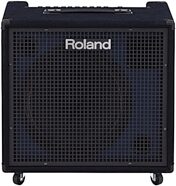
Roland KC-600 Keyboard Amplifier
$849.99
- 12 x$70.83
- 8 x$106.25
- No Credit Check6 x$141.66
- No Credit Check4 x$212.50
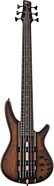
Ibanez SR1356B Premium Electric Bass, 6-String (with Gig Bag)
$1,599.99
- 18 x
- 12 x$133.33
- 8 x$200.00
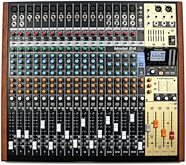
TASCAM Model 24 Mixer, USB Audio Interface and Multitrack Recorder
$1,199.00
- 12 x$99.92
- 8 x$149.88
- No Credit Check6 x$199.83
- No Credit Check4 x$299.75