

dbx 286S Microphone Preamplifier and Channel Strip Processor
Set it, forget it, and record better vocals! This do-it-all mic preamp/channel strip gives you dbx compression, expander/gate, de-esser and "enhancer" EQ.
$339.00
- 8 payments of$42.38/mo
- No Credit Check6 payments of$56.50/mo
dbx 386 Dual Vacuum Tube Microphone Preamp with Digital Out
No longer available at zZounds


zZounds Gear Experts Say...
Get tube vocal warmth with digital precision! The Silver Series 386 features dual-channel tube preamplification, and digital conversion from 44.1 - 96 kHz.
Overview
The Silver Series 386 dual channel tube mic preamp puts the best of both worlds into 1 affordable package by combining the warmth of the irreplaceable vacuum tube with the proprietary dbx Type IV conversion system. The 386 boasts many of the same features as other products in the Silver Series, such as +48V phantom power, a phase invert switch, and low cut filtering; but also includes digital outputs in both AES/EBU, and S/PDIF formats.
The high impedance, 1/4 in" instrument input located on the front panel, as well as the mic/line switch, and 20 dB pad show dbx's dedication to providing convenience in the studio. The 12 segment LED meters provide a visual indication of analog or digital levels at a glance. The rear panel includes both mic and line inputs and outputs, word clock sync input and output, and digital outputs. Add selectable sampling rates of 44.1 kHz, 48 kHz, 88.2 kHz, or 96 kHz; selectable dithering and noise shaping; and separate analog and digital output controls to this already impressive list of features, and you'll agree that the 386 lives up to the innovative dbx standards.
- Selectable 96 kHz, 88.2 kHz,48 kHz, or 44.1 kHz sampling rate
- 24, 20, and 16 bit wordlengths
- Selectable dither and noise shaping
- AES/EBU and S/PDIF digital outputs
- Word clock sync input and output
- Separate analog and digital output control
- Type IV conversion system
- 60 dB of gain and +/- 15 dB of output gain
-… read more Selectable mic/line switch
- 48 volt phantom power
- 20 dB pad
- 75 Hz low cut filter
- Phase reverse
- 12 segment LED analog/digital
dbx Professional Products are done for you -- the lunch box, working class musicians, the weekend wedding band, the Grammy-winning engineer, the mega-star, the guys who make music just for the heck of it in the garage in February, the aspiring producer of the month. You endure the uncharitable business of music and carve a life of unusual reward from the ever-challenging industry. It is this heritage, spirit, and character that inspires musicians and every product dbx makes. read less
The high impedance, 1/4 in" instrument input located on the front panel, as well as the mic/line switch, and 20 dB pad show dbx's dedication to providing convenience in the studio. The 12 segment LED meters provide a visual indication of analog or digital levels at a glance. The rear panel includes both mic and line inputs and outputs, word clock sync input and output, and digital outputs. Add selectable sampling rates of 44.1 kHz, 48 kHz, 88.2 kHz, or 96 kHz; selectable dithering and noise shaping; and separate analog and digital output controls to this already impressive list of features, and you'll agree that the 386 lives up to the innovative dbx standards.
Features:
- 2-channel tube microphone preamplifier- Selectable 96 kHz, 88.2 kHz,48 kHz, or 44.1 kHz sampling rate
- 24, 20, and 16 bit wordlengths
- Selectable dither and noise shaping
- AES/EBU and S/PDIF digital outputs
- Word clock sync input and output
- Separate analog and digital output control
- Type IV conversion system
- 60 dB of gain and +/- 15 dB of output gain
-… read more Selectable mic/line switch
- 48 volt phantom power
- 20 dB pad
- 75 Hz low cut filter
- Phase reverse
- 12 segment LED analog/digital
About dbx
More than 25 years ago, a brilliant young engineer named David Blackmer sat at his workbench trying to find something that would make music easier to record. What he came up with changed everything that was known about dynamics processing at the time. Enter the VCA. With the launch of the dbx 160, the music industry sat up and took notice of the company with the 3 lower-case initials: dbx. Further refinements brought more processes and more products. The 165 a few years later would prove another turning point. The advent of OverEasy compression defined the process of threshold sensitive compression. Both the 160 and 165 are still greatly sought after standards that come along all too infrequently. The 160 is now worth many times its original price tag in the used market - if you can find one. The 165A has proved so popular that it is still manufactured today, exactly the same way it was 20 years ago; pretty rare in this industry.dbx Professional Products are done for you -- the lunch box, working class musicians, the weekend wedding band, the Grammy-winning engineer, the mega-star, the guys who make music just for the heck of it in the garage in February, the aspiring producer of the month. You endure the uncharitable business of music and carve a life of unusual reward from the ever-challenging industry. It is this heritage, spirit, and character that inspires musicians and every product dbx makes. read less
Specs
Microphone Input
Connectors: Female XLR Pin 2 Hot
Type: Electronically balanced/unbalanced
Impedance: 1.0k ohm
Maximum Input Level: -9 dBu or +19 dBu with 20 dB pad engaged
CMRR >40dB, Typically 55dB
Equivalent Input Noise: -128 dBu with a 150 ohm source load
Line Input (Rear Panel)
Connector: TRS 1/4 in. Jack
Type: Electronically balanced/unbalanced
Impedance: 20k ohm unbalanced, 40k ohm balanced
Maxium Input Level: +21dBu balanced or unbalanced
CMRR: >40dB, typically 55dB
Gain (Drive Control) -15dB to +15dB
Instrument Input (Front Panel)
Connector: TR 1/4 in. Jack
Type: Unbalanced
Impedance: 470K ohm
Maximum Input Level: +21dBu unbalanced
Analog Outputs
Connector: Male XLR Pin 2 Hot and TRS 1/4 in.
Type: Servo-balanced/unbalanced
Impedance: Balanced 120 ohm, unbalanced 60 ohm
Maximum Output Level: >+21 dBu, >+20 dBm (into a 600 ohm load)
Digital Outputs
Connectors: XLR for AES/EBU, RCA for S/PDIF
Impedance: 110 ohm for AES/EBU, 75 ohm for S/PDIF
Word Sync Input/Output
Connectors: BNC
Input Impedance: 75 ohm terminated by internal jumper
Input: 96, 88.2, 48, or 44.1kHz word clock
Output: 96, 88.2, 48, or 44.1kHz word clock
System Performance
DRIVE Control Range: +30dB to +60dB for Mic Input; -15dB to +15dB for Line and Instrument Inputs
LEVEL Control Range: (Analog and Digital) -15dB to +15dB
LINE: Selects between microphone and line inputs
Phantom Power: +48V
PAD: 20dB pad
PHASE: Reverses pins 2 and 3 of the microphone input XLR
Low Cut: 75Hz, 12dB/octave high pass filter
Frequency Response: <10Hz to 150kHz
THD + Noise: 0.04% typical at +4dBu out, 1kHz, 30 dB gain
Interchannel Crosstalk: Typically -100dB, 20Hz to 20kHz
Analog to Digital Conversion
Type: dbx Type IV(TM) A/D Conversion System
Sample Rate: 96, 88.2, 48, or 44.1kHz selectable
Wordlength: 24, 20, or 16 bit selectable
Dither Type: TPDF, SNR2, or none
Noise Shape: Shape 1, Shape 2, or none
Output Format: S/PDIF or AES/EBU
Power Supply
Operating Voltage: DO: 120VAC 60Hz, 100VAC 50/60Hz
EU: 230VAC 50/60 Hz
Power Requirements: 20 Watts
Physical
Weight: 6.89 lbs.
Dimensions: 1.75 x 7.75 x 19 in.
Connectors: Female XLR Pin 2 Hot
Type: Electronically balanced/unbalanced
Impedance: 1.0k ohm
Maximum Input Level: -9 dBu or +19 dBu with 20 dB pad engaged
CMRR >40dB, Typically 55dB
Equivalent Input Noise: -128 dBu with a 150 ohm source load
Line Input (Rear Panel)
Connector: TRS 1/4 in. Jack
Type: Electronically balanced/unbalanced
Impedance: 20k ohm unbalanced, 40k ohm balanced
Maxium Input Level: +21dBu balanced or unbalanced
CMRR: >40dB, typically 55dB
Gain (Drive Control) -15dB to +15dB
Instrument Input (Front Panel)
Connector: TR 1/4 in. Jack
Type: Unbalanced
Impedance: 470K ohm
Maximum Input Level: +21dBu unbalanced
Analog Outputs
Connector: Male XLR Pin 2 Hot and TRS 1/4 in.
Type: Servo-balanced/unbalanced
Impedance: Balanced 120 ohm, unbalanced 60 ohm
Maximum Output Level: >+21 dBu, >+20 dBm (into a 600 ohm load)
Digital Outputs
Connectors: XLR for AES/EBU, RCA for S/PDIF
Impedance: 110 ohm for AES/EBU, 75 ohm for S/PDIF
Word Sync Input/Output
Connectors: BNC
Input Impedance: 75 ohm terminated by internal jumper
Input: 96, 88.2, 48, or 44.1kHz word clock
Output: 96, 88.2, 48, or 44.1kHz word clock
System Performance
DRIVE Control Range: +30dB to +60dB for Mic Input; -15dB to +15dB for Line and Instrument Inputs
LEVEL Control Range: (Analog and Digital) -15dB to +15dB
LINE: Selects between microphone and line inputs
Phantom Power: +48V
PAD: 20dB pad
PHASE: Reverses pins 2 and 3 of the microphone input XLR
Low Cut: 75Hz, 12dB/octave high pass filter
Frequency Response: <10Hz to 150kHz
THD + Noise: 0.04% typical at +4dBu out, 1kHz, 30 dB gain
Interchannel Crosstalk: Typically -100dB, 20Hz to 20kHz
Analog to Digital Conversion
Type: dbx Type IV(TM) A/D Conversion System
Sample Rate: 96, 88.2, 48, or 44.1kHz selectable
Wordlength: 24, 20, or 16 bit selectable
Dither Type: TPDF, SNR2, or none
Noise Shape: Shape 1, Shape 2, or none
Output Format: S/PDIF or AES/EBU
Power Supply
Operating Voltage: DO: 120VAC 60Hz, 100VAC 50/60Hz
EU: 230VAC 50/60 Hz
Power Requirements: 20 Watts
Physical
Weight: 6.89 lbs.
Dimensions: 1.75 x 7.75 x 19 in.
Documents and Manuals
For support or warranty questions, please contact the manufacturer:
Phone: 844-776-4899
Web: https://www.dbxpro.com/en/support
Phone: 844-776-4899
Web: https://www.dbxpro.com/en/support
Reviews
Reviewers gave this product an overall rating of 5 out of 5 stars.
(32 ratings)
by a customer from earthlink.net
"Amazing value."
Verified Customer
zZounds has verified that this reviewer made a purchase from us.
Sound
I recorded some guys with this unit and RODE NT1000.
Some people were convinced it was Avalon and U87.
This unit can make your album gold. I have the best Behringer
stuff. Can not compare with this.
Musical Style:
Power Rock,Jazz,Blues
14 of 28 people (50%) people found this review helpful. Did you?
Thanks for your opinion!
No longer available at zZounds

This is a carousel with product cards. Use the previous and next buttons to navigate.
People who bought this item also bought

Shure SM7B Dynamic Cardioid Studio Vocal Microphone
$439.00
- 8 payments of$54.88/mo
- No Credit Check6 payments of$73.17/mo
-
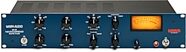

Solid State Logic SSL Revival 4000 Signature Analogue Channel Strip
$1,999.99
- 12 payments of$166.67/mo
-

Neumann TLM 102 Studio Microphone
$799.00
- 12 payments of$66.58/mo
- No Credit Check6 payments of$133.17/mo
-
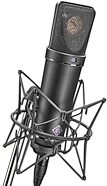
Neumann U 87 Ai Large-Diaphragm Condenser Microphone with Shock Mount, Case and Cable
$3,995.00
- Interest-Free Payment Plans
-
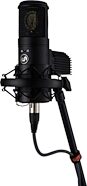
Warm Audio WA-2A Optical All-Tube Audio Compressor
$999.00
- 12 payments of$83.25/mo
- No Credit Check6 payments of$166.50/mo
-
Solid State Logic SSL Fusion Stereo Analogue Colour Mix Bus Processor
$2,699.99
- 12 payments of$225.00/mo
-
